




Best Protein Bars, Complete Guide to Healthy High-Protein Snacks
Protein bars are one of the most popular healthy snacks for people who want quick nutrition without cooking. They are packed with protein, carbs, and fats in balanced amounts. In today’s busy lifestyle, they help people stay energized and full for longer.
Many athletes, students, and office workers use them as a convenient option. Protein bars come in various flavors and types to suit different dietary needs. They support fitness goals, muscle recovery, and even weight control when used correctly as part of a balanced diet.
What Are Protein Bars and Why Are They Popular
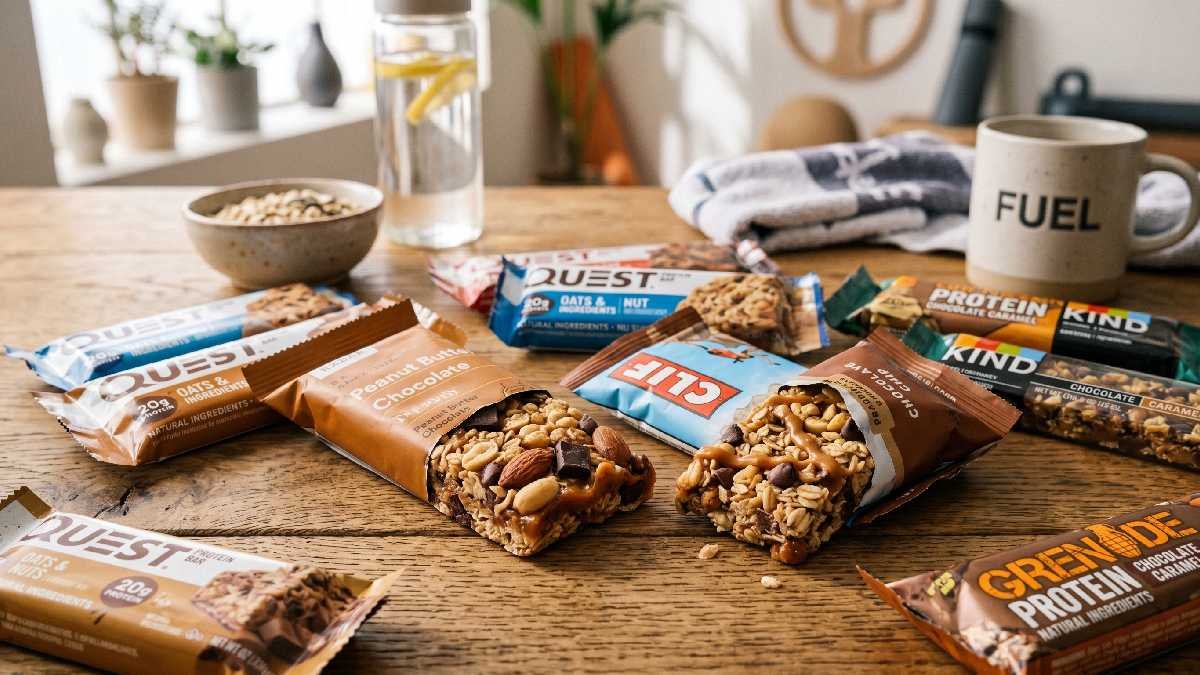
Protein bars are compact snack bars made with protein sources like whey, soy, or plant-based ingredients. They are designed to provide quick nutrition in a portable form. Their popularity comes from convenience and health benefits. People use them when they don’t have time for proper meals.
They are easy to carry in bags, gym kits, or offices. With growing fitness awareness, protein bars have become a common choice for healthy snacking, especially for those managing weight or muscle-building goals.
Quick Energy Source for Busy Lifestyle
Protein bars give fast energy when you are busy or on the move. They combine protein and carbohydrates that help maintain energy levels throughout the day. Instead of skipping meals or eating junk food, people prefer protein bars for quick nutrition.
They are useful during travel, work breaks, or study sessions. Since they require no preparation, they save time and reduce unhealthy snacking habits. This makes them ideal for modern fast-paced lifestyles where convenience matters as much as nutrition.
Role in Fitness and Nutrition Goals
Protein bars play an important role in fitness routines. They help support muscle repair after workouts and provide essential nutrients. Many fitness enthusiasts use them as part of their daily protein intake. They can also help control hunger, which supports weight management goals.
Depending on the ingredients, they may offer different benefits like low sugar or high protein. When combined with a proper diet and exercise, protein bars become a practical tool for improving overall nutrition and performance.
Benefits of Best Protein Bars
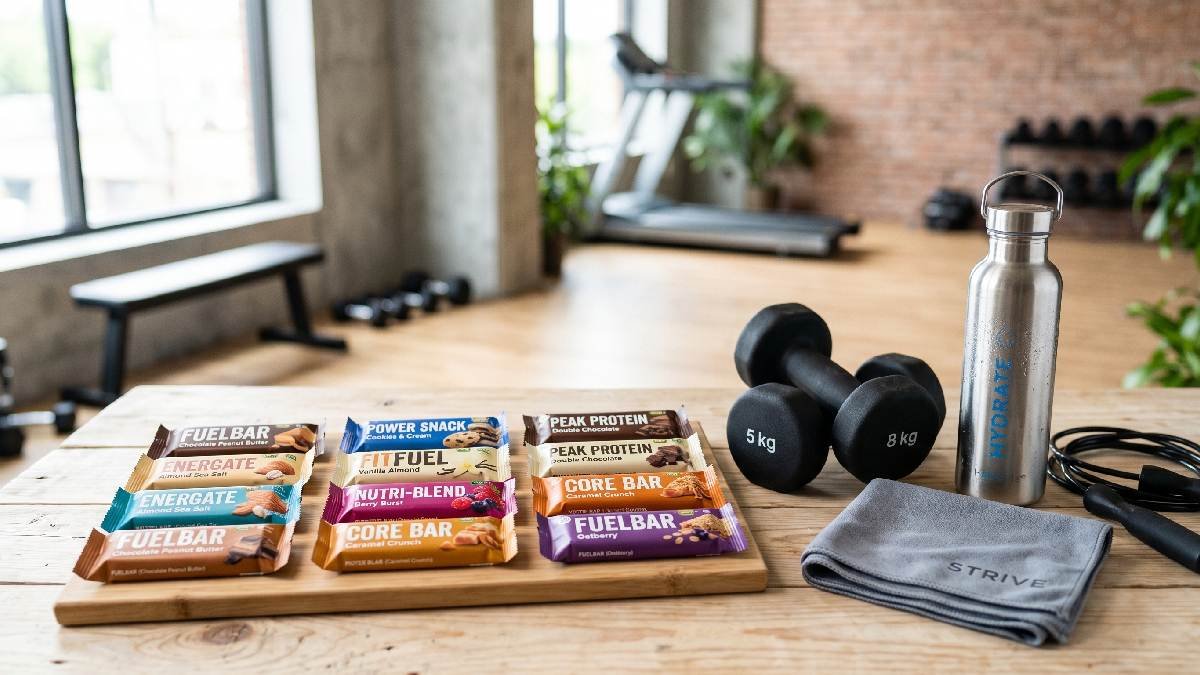
Protein bars offer several benefits,, including convenience, nutrition, and energy support. They are easy to consume and require no preparation. They help people meet daily protein needs, especially when meals are missed. Many bars are designed for specific goals like muscle gain or weight loss.
They also help reduce unhealthy snacking by keeping you full longer. Because they are portable, they fit easily into any lifestyle. Overall, protein bars are a simple way to support balanced nutrition.
Supports Muscle Growth and Recovery
Protein bars help muscles recover after exercise by providing essential amino acids. These nutrients repair muscle fibers damaged during workouts. This is especially useful for gym-goers and athletes. Consuming a protein bar after training can speed up recovery and reduce muscle soreness.
It also helps in muscle growth when combined with regular strength training. The protein content supports continuous repair and development, making it a convenient post-workout option when full meals are not immediately available.
Helps in Weight Loss and Appetite Control
Protein bars can help with weight management by controlling hunger. Protein takes longer to digest, keeping you full for longer periods. This reduces the chances of overeating or snacking on unhealthy foods. Many low-sugar protein bars are designed specifically for weight loss plans.
They provide nutrition without too many calories. When used correctly, they can support a calorie-controlled diet. However, portion control is still important because not all protein bars are low in calories.
Convenient On-the-Go Nutrition
One of the biggest benefits of protein bars is convenience. They are easy to carry anywhere and require no preparation. This makes them perfect for travel, office breaks, or outdoor activities. Instead of relying on fast food, people can choose a healthier option quickly.
Protein bars fit easily into bags or pockets, making them ideal for busy schedules. This convenience is a major reason why they are widely used by people with active lifestyles.
Types of Protein Bars Available in the Market
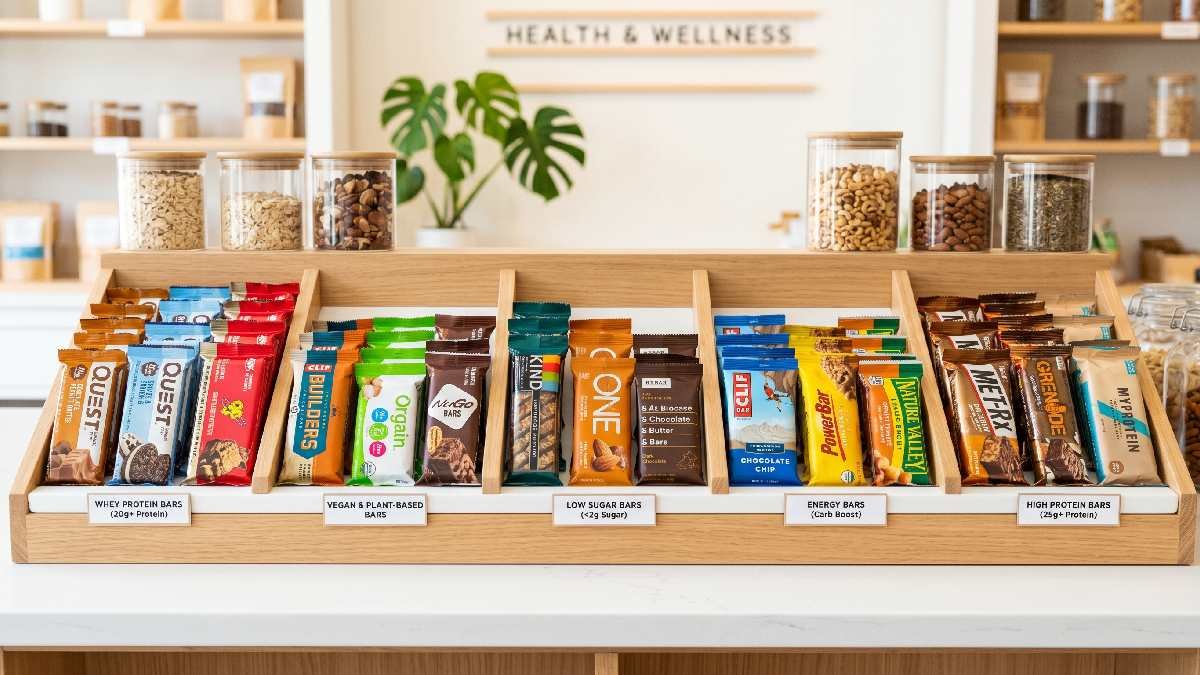
There are many types of protein bars available depending on ingredients and nutritional goals. Some are made for muscle gain, while others focus on weight loss or low sugar intake. Common types include whey protein bars, vegan bars, low-sugar bars, and mass gain bars.
Each type has different nutritional profiles and benefits. Choosing the right one depends on your fitness goals and dietary preferences. Understanding these types helps you select the most suitable option for your needs.
Whey Protein Bars
Whey protein bars are made from milk-based protein and are popular among fitness enthusiasts. They are rich in essential amino acids that support muscle growth. These bars are quickly absorbed by the body, making them ideal for post-workout recovery.
They usually have a high protein content compared to other types. However, they may not be suitable for people who are lactose intolerant. Overall, whey protein bars are effective for building strength and improving muscle recovery.
Vegan Protein Bars
Vegan protein bars are made from plant-based sources like peas, rice, or nuts. They are suitable for people who avoid animal products. These bars provide a clean and natural protein source. They are often rich in fiber and contain fewer artificial ingredients.
Vegan protein bars are a good option for those with dietary restrictions or lactose intolerance. While protein quality may vary, they still support fitness and health goals when consumed as part of a balanced diet.
Low Sugar Diet Protein Bars
Low-sugar protein bars are designed for people who want to reduce calorie intake. They help control blood sugar levels and support weight loss goals. These bars often use natural sweeteners instead of refined sugar.
They are ideal for diabetics or health-conscious individuals. Despite having less sugar, they still provide sufficient protein for energy and recovery. Choosing low-sugar options helps maintain a healthier diet without sacrificing taste or convenience.
High Calorie Mass Gain Bars
High-calorie protein bars are designed for people who want to gain weight or muscle mass. They contain more calories, carbohydrates, and protein compared to regular bars. These bars are useful for athletes and bodybuilders who need extra energy.
They help in meeting daily calorie requirements easily. However, they should be consumed according to fitness goals because excessive intake can lead to unwanted weight gain. They are best used as part of a structured diet plan.
How to Choose the Best Protein Bars

Choosing the right protein bar depends on your goals and nutritional needs. You should always check the protein content, sugar levels, and ingredient quality. Reading labels helps you understand what you are consuming.
Some bars focus on muscle gain, while others are better for weight loss. Brand reputation and customer reviews also matter. A good protein bar should balance taste, nutrition, and calorie content. Making the right choice ensures better health results and fitness support.
Check Protein Content per Bar
Protein content is one of the most important factors when choosing a protein bar. Higher protein levels help in muscle recovery and satiety. Most good bars contain between 10 and 20 grams of protein. Always compare labels before buying.
The right amount depends on your fitness goals. Athletes may need higher protein intake, while casual users may need less. Choosing the right protein level ensures better results from your diet plan.
Look at Sugar and Carb Levels
Sugar and carbohydrate levels affect the health value of protein bars. High-sugar bars can lead to weight gain and energy crashes. Low-sugar options are better for maintaining stable energy levels. Always check nutrition labels carefully.
Some bars use natural sweeteners, which are healthier alternatives. Keeping sugar low helps in weight management and overall health. Balanced carbs are also important for energy, especially if you use protein bars before or after workouts.
Ingredient Quality Matters
Ingredient quality plays a big role in the effectiveness of protein bars. Natural ingredients are always better than artificial additives. Whole foods, nuts, and clean protein sources improve nutritional value. Avoid bars with too many preservatives or chemicals.
High-quality ingredients support better digestion and overall health. Reading ingredient lists helps you choose better products. A clean ingredient profile ensures that you are consuming something truly beneficial for your body.
Brand Reputation and Reviews
Brand reputation helps you choose safe and effective protein bars. Trusted brands usually maintain better quality and consistency. Customer reviews also provide real user experiences. Checking ratings online can help you avoid low-quality products.
Well-known brands invest in better ingredients and testing. This reduces the risk of unhealthy or ineffective products. Choosing reliable brands ensures better results and safer consumption in the long term.
Best Time to Eat Protein Bars
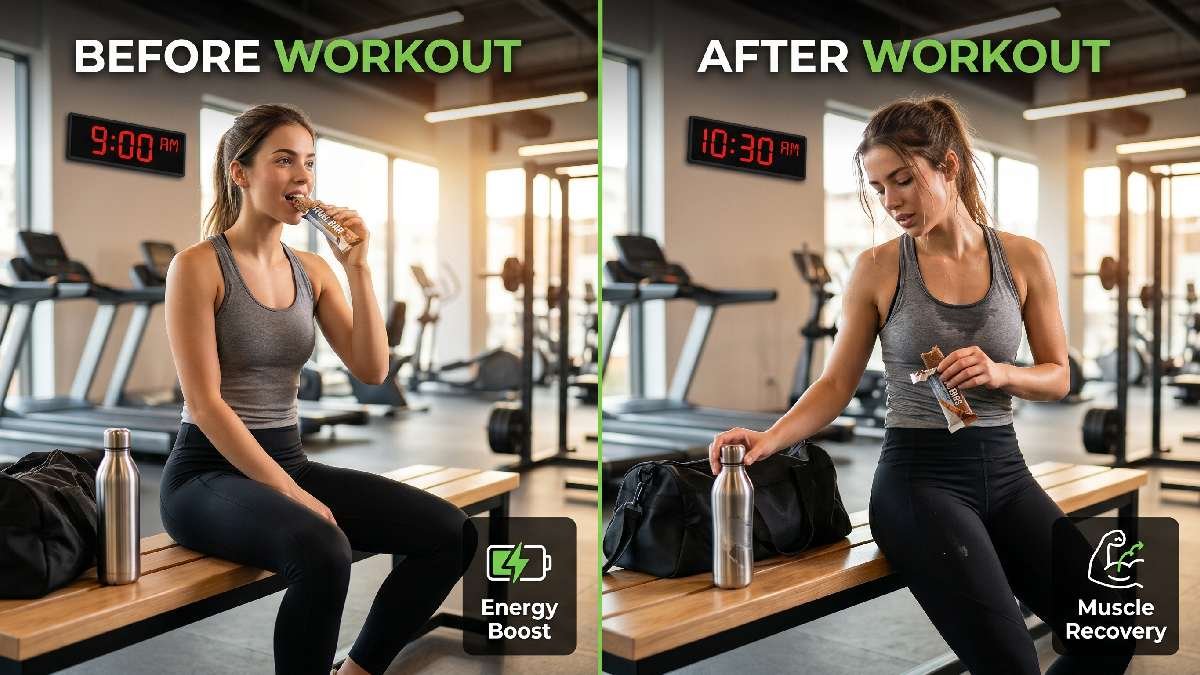
Timing matters when eating protein bars. They can be consumed before workouts, after workouts, or as meal replacements. Each timing option provides different benefits. Pre-workout bars give energy, while post-workout bars help recovery.
They can also be used as snacks between meals. Choosing the right time improves their effectiveness. Understanding timing helps you get the maximum benefit from protein bars in your daily routine.
Pre-Workout Snack Option
Eating a protein bar before workouts provides energy and improves performance. It helps fuel your body during exercise. A balanced bar with protein and carbs is ideal. It prevents fatigue and supports endurance.
Pre-workout bars should not be too heavy. Eating them 30–60 minutes before exercise is recommended. This timing ensures proper digestion and energy release during workouts.
Post-Workout Recovery Fuel
After workouts, protein bars help repair muscles and restore energy. They provide essential nutrients needed for recovery. Consuming a bar after exercise reduces muscle soreness.
It supports faster healing and muscle growth. This is one of the most common uses of protein bars. They are convenient when full meals are not available immediately after training sessions.
Healthy Meal Replacement
Protein bars can sometimes replace small meals when you are busy. They provide balanced nutrition in a compact form. However, they should not replace all meals regularly.
They are best used occasionally when proper food is not available. Meal replacement bars help maintain energy levels and prevent unhealthy eating choices during busy schedules.
Common Mistakes When Using Protein Bars

People often make mistakes when using protein bars. Overeating them can lead to extra calories. Some choose high-sugar bars without checking labels. Others use them as full meal replacements too often.
These mistakes reduce their health benefits. Understanding proper usage is important. Protein bars should support your diet, not replace it completely. Awareness helps avoid negative effects and improves results.
Overeating Without Tracking Calories
Choosing High Sugar Bars
Using Them as a Main Food Source
Are Protein Bars Actually Healthy?

Protein bars can be healthy if chosen wisely. They provide protein, energy, and convenience. However, not all bars are equal. Some contain high sugar or artificial ingredients.
Health benefits depend on quality and usage. When used correctly, they support fitness and nutrition goals. But they should be part of a balanced diet, not the only food source.
Pros and Cons Explained Simply
When They Work Best in a Diet Plan
Conclusion: Are Protein Bars Worth It?

Protein bars are a practical option for modern lifestyles. They offer convenience, nutrition, and support for fitness goals. When chosen carefully, they can improve diet quality and save time.
However, they should be used wisely with attention to ingredients and sugar levels. They are not a complete food replacement but a helpful supplement. Overall, protein bars are worth it when used in a balanced and mindful way.
FAQs
Are protein bars good for weight loss?
Yes, if low sugar and used in calorie control diet.
Can I eat protein bars daily?
Yes, but in moderation with a balanced diet.
When is the best time to eat protein bars?
Post-workout or as a snack between meals.
Do protein bars build muscle?
They support muscle growth with proper training and protein intake.
Are protein bars healthy?
Yes, if high-quality and low-sugar options are chosen.