
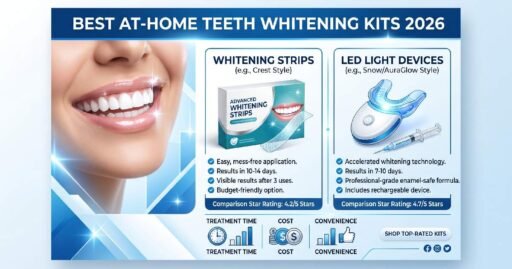
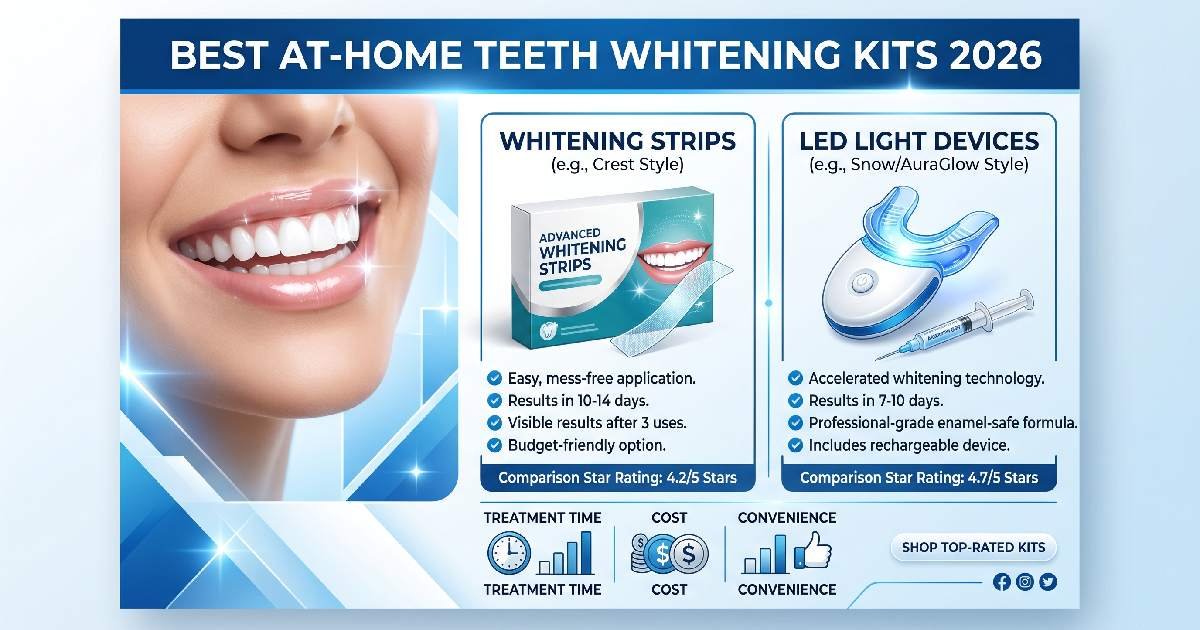

Best At-Home Teeth Whitening Kits
Everyone wants whiter teeth. Nobody wants to pay a thousand dollars for it. That feeling when your photos show yellower teeth than you expected stings. Millions of people are now choosing the best at-home teeth whitening kits because they work, cost less, and you never have to leave your house.
This guide covers the products, the science, and the stuff nobody tells you. Some kits have been around for years and still hold up. Others are newer but already earning real loyalty from users who tried everything else. By the end, you’ll know which kit matches your teeth, your budget, and your lifestyle.
Why Choose At-Home Teeth Whitening Kits?
Going to the dentist for whitening is expensive. Really expensive. Most people don’t realize this until they’re already in the chair. At-home kits stepped in for people who wanted real results without the financial stress. The convenience is something people underestimate.
No appointments, no waiting rooms, no small talk. You do it on your own time, in your own space. The results surprised a lot of skeptics. Users who expected nothing ended up shocked by how visible the difference was after a couple of weeks.
Cost-Effective Solution
Professional whitening runs $300 to $1,000 per session. That doesn’t include follow-up visits. The best at-home teeth whitening kits land between $20 and $150. You get close to professional results without destroying your budget. A lot of people assume cheaper means worse.
With whitening, that’s not how it works. Hydrogen peroxide and carbamide peroxide are the same ingredients dentists use. The difference is the delivery method, not some secret formula. The market has gotten competitive. Brands are pushing real quality at lower prices. That works in your favor.
Convenience and Comfort
Whitening while watching TV is a completely different experience from sitting in a dental chair. You control the schedule. Nobody puts anything uncomfortable in your mouth. People who switch rarely go back. The flexibility matters more than it sounds.
Morning, lunch break, before bed, it fits wherever there’s a gap. For busy people, that adaptability decides whether they actually finish a treatment course. Comfort is real too. Soft strips and moldable trays sit gently against your teeth. The whole experience is calmer, which makes staying consistent easier.
Proven Effectiveness
The ingredients in these kits are not random chemicals. Hydrogen peroxide and carbamide peroxide are what dentists have used for decades. A lot of users notice a real difference within three or four days. Clinical studies back up what users report.
Products with proper peroxide concentrations show measurable whitening in controlled testing. The chemistry works when someone applies it correctly every day. Consistency is the word that matters most. A great product used randomly will always underperform a decent one used daily.
How Do At-Home Teeth Whitening Kits Work?
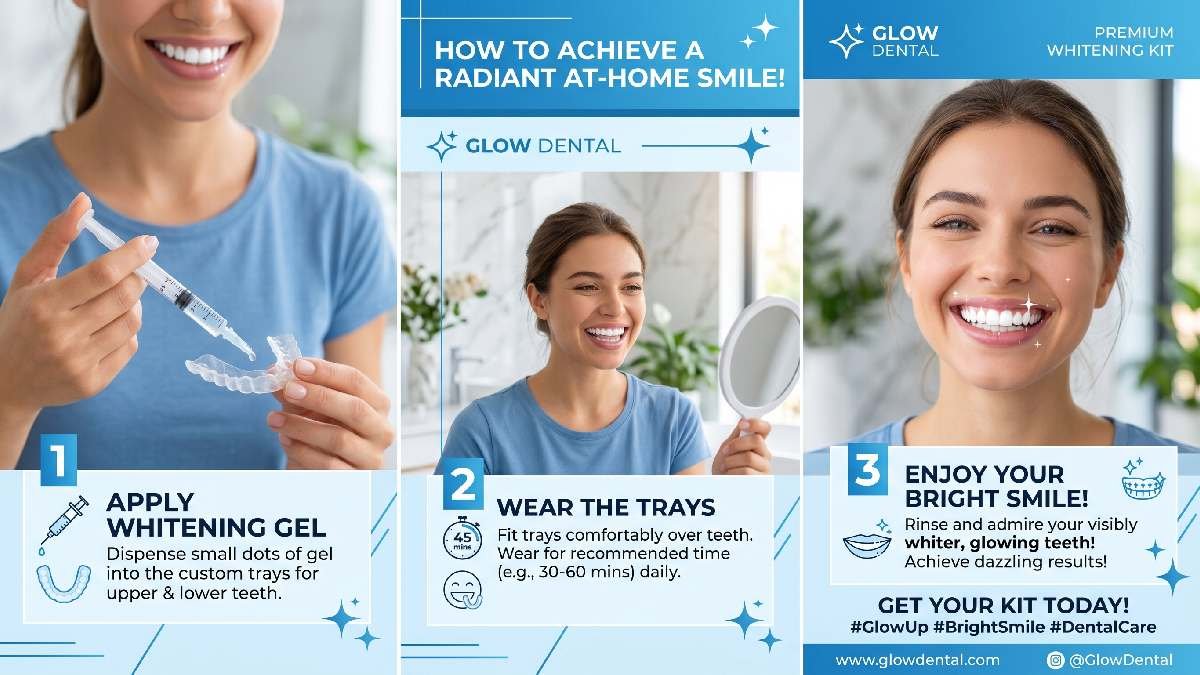
The process is simpler than most people expect. Teeth stain because pigment molecules from food and drinks settle into enamel over time. Whitening kits target those molecules and break them apart. Different kits use different delivery methods: strips, trays, LED devices. The core mechanism is mostly the same.
Peroxide hits the tooth surface, releases oxygen, and stain bonds start breaking down. Understanding this helps you use your product better. You stop guessing why brushing first matters. The more you understand, the better your results.
Peroxide-Based Bleaching
Hydrogen peroxide and carbamide peroxide do most of the work. They release oxygen that gets into the enamel and dentin and breaks apart stain bonds. The experience is just putting something on your teeth and waiting. Concentration level matters. Over-the-counter kits run between 3% and 14% hydrogen peroxide.
Professional treatments go higher. Higher concentration means faster results but more sensitivity. That tradeoff depends on your teeth. For most people, mid-range concentration does the job fine. Starting lower and adjusting upward is smarter than going straight for the strongest thing.
LED Light Acceleration
A lot of newer kits come with an LED light. It genuinely earns its place. The light activates the whitening gel and speeds up the process. Blue-spectrum LED is what most brands use, and it’s gotten better over recent years. Some people wonder if the light is just for show.
Research says it has a real accelerating effect on peroxide gels. Sessions that take 30 minutes without it can get comparable results faster with LED. Not every budget kit includes an LED. Most mid-range and premium options do. If two products are similar and one has an LED, that’s worth factoring in.
Whitening Strips and Trays
Strips are what most people picture first. Thin, coated with gel, pressed onto teeth, then you wait. Simple, easy to find, and the entry point for most people into at-home whitening. Trays hold gel more evenly against teeth. Custom-moldable trays that shape to your mouth give better contact than generic ones.
Gaps between the tray and teeth mean uneven, patchy results. Both have loyal users. Strips are portable and easy. Trays give more uniform coverage. If strips haven’t worked for you, try a tray system before giving up entirely.
Top 7 Best At-Home Teeth Whitening Kits in 2026
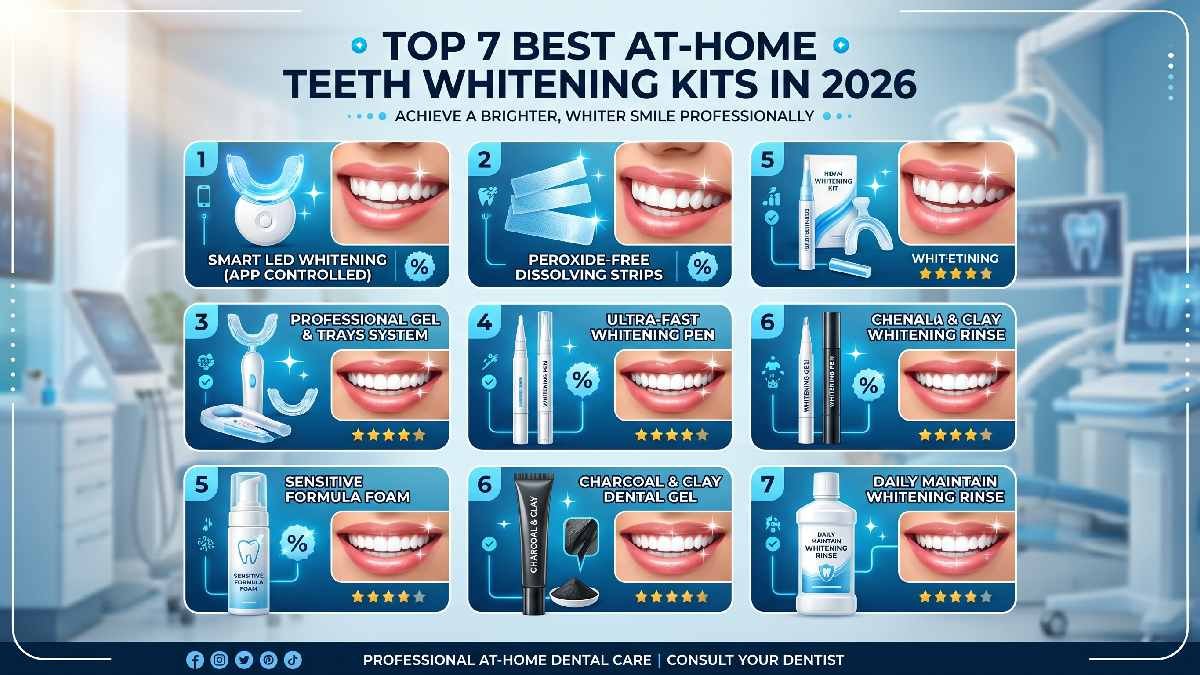
After checking ingredients, reading real user reports, and comparing price against results, here are the ones actually worth your money. These aren’t just popular names from ads. These are products that consistently deliver for people who use them correctly.
The list covers different budgets and different needs. Simple and affordable on one end. Full LED systems, on the other hand. Something here fits your situation. Every product was chosen based on ingredient quality, real results, safety, and honest value. No filler picks.
Crest 3D Whitestrips Professional Effects
Most people have heard of Crest Whitestrips. There’s a reason they’ve been around this long; they work. The Professional Effects version uses 14% hydrogen peroxide with 20 minutes of daily wear. Some people see a difference in three days. Thousands of reviews confirm it, not just marketing.
The no-slip grip keeps strips in place throughout the session. Sensitivity strips come included in the box. The ADA Seal of Acceptance means real independent testing happened, not just the brand reviewing itself.
New to whitening and not sure where to start? This is the one. Reliable formula, decades of track record, consistent results.
AuraGlow Teeth Whitening Kit
AuraGlow is a complete system. Gel, moldable tray, and LED light all in one box. The gel runs at 35% carbamide peroxide, stronger than most at a similar price. The tray heat-molds to your specific teeth for better gel contact and more even results. Sessions are 30 minutes.
Most people see real visible change between day 7 and day 10. People who tried strips and felt nothing often find AuraGlow actually delivers. The LED here is not decorative; it genuinely adds to what the gel does. The price is fair for everything included. A complete system that competes with products charging much more.
Snow Teeth Whitening Kit
Snow went a completely different direction. Wireless LED mouthpiece, connects to your phone, looks more like a tech product than a dental one. The serum combines hydrogen peroxide and carbamide peroxide. A sensitive formula exists for people whose teeth don’t handle standard whitening well. Nine minutes a day one of the shortest commitments on this list.
Snow is compatible with crowns and veneers. Most products can’t say that. If you’ve been avoiding whitening because of dental restorations, Snow is worth looking into specifically for that reason. Short sessions, sensitive-friendly formula, modern design, dental work compatibility, all in one product.
GLO Science GLO Brilliant Personal Teeth Whitening Device
GLO Science combined heat with LED light instead of just light alone. That decision separates them from most competitors. Heat plus light accelerates whitening faster than light alone. The claims are backed by clinical testing, not just marketing. Sessions are 8 minutes each. The formula was put together by actual dentists.
Sensitivity complaints from users are low compared to other kits at similar strength. Eight minutes fit into any morning or evening routine without disruption. Premium price, yes. But fewer sessions needed and stronger results make the math work out reasonably.
Colgate Optic White ComfortFit LED Teeth Whitening Kit
Colgate has been in dental care long enough that the name carries weight. The Optic White kit uses 10% hydrogen peroxide with a flexible LED mouthpiece. The mouthpiece fits different mouth shapes better than hard, rigid alternatives. Ten days of consistent use get you visible results.
It’s not the most exciting product here. That’s fine. The formula is grounded in real dental research, not current trends. The flexible mouthpiece fits better and stays in place more naturally than stiff trays on competing kits. Good starting point for first-time users who want a familiar, trusted brand.
Zimba Teeth Whitening Strips
Zimba built a following fast. Affordable price, natural ingredients, results that show up. Coconut oil is infused into the strips alongside the whitening agents. That’s a level of care cheap budget strips don’t usually bother with. Multiple flavors are available, sounds gimmicky until you’re 20 minutes in every day and realize it actually helps.
28 strips per box, vegan, cruelty-free. People who care about ingredients and ethical sourcing gravitate here. The whitening results hold up well for the price. Not the strongest formula on this list, but solid for light to moderate staining. First-time buyer on a tight budget? This is one of the smarter picks right now.
Burst Oral Care Teeth Whitening Strips
Burst strips dissolve after treatment. Nothing to pull off when the session ends; they disappear on their own. That one feature wins people over immediately. Coconut oil is in the formula. Enamel safety is something Burst genuinely built around, not just mentioned in marketing copy. Sensitivity complaints are rare with this one.
Seven days is the general timeline for visible results. People with sensitive teeth who’ve given up on whitening after bad experiences often find Burst is the one that finally works. The dissolving technology gets the attention, but the formula quality underneath is what keeps people coming back.
How to Choose the Best At-Home Teeth Whitening Kit for You
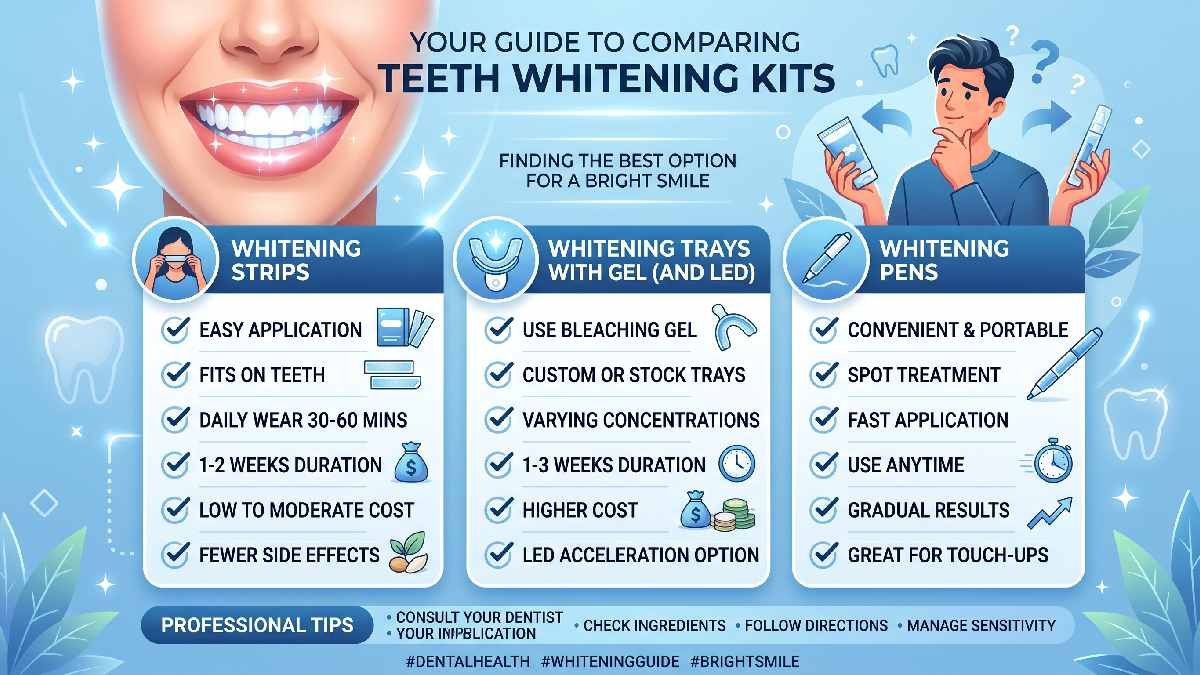
Picking a kit isn’t about grabbing whatever has the most stars. A few things deserve real thought before committing. The wrong kit for your specific situation can feel completely ineffective even when the product itself is good. Matching the product to what your teeth actually need separates a successful whitening experience from a frustrating one.
Someone with mild coffee stains and someone with years of deep discoloration are not the same buyer. Look honestly at your teeth, your budget, your sensitivity level, and your available time. That self-awareness matters more than any recommendation.
Your Whitening Goals
Light coffee stains and years of deep discoloration are completely different problems. Surface staining responds to strips without much trouble. Older, deeper staining needs something stronger. Expecting strips to fix serious staining will leave you disappointed. Think about how many shades you’re trying to move.
One or two shades are achievable with most products here. Five or six shades need something more intensive or a longer treatment period. Set realistic expectations. Give the product the full course before judging it. Most people who feel let down quit before the process has a real chance.
Tooth Sensitivity
Sensitive teeth need a different approach. Lower peroxide concentrations cause less irritation. Formulas with potassium nitrate or fluoride actively reduce whitening discomfort. Don’t push through serious pain; it can damage enamel and worsen sensitivity over time.
Spacing sessions every other day instead of daily gives teeth more recovery time. Most instructions assume average sensitivity. Adjust based on what your teeth are telling you. Sensitive toothpaste during the whitening period is worth adding. It won’t interfere with whitening and takes the edge off discomfort.
Budget
There’s a kit that works at almost every price point here. Under $30 gets you something effective if you choose carefully. Over $150 gets you more technology and faster results. More expensive is not automatically better.
Think about cost per use, not just upfront price. A $150 kit lasting several months can be cheaper long-term than a $25 kit you keep rebuying. Set your number before browsing and stick to it. Overspending is not required for real results.
Treatment Time
Some people handle 30-minute daily sessions easily. Others genuinely can’t find 10 consistent minutes. A 30-minute kit is useless if you can’t sit down for it every day. Shorter sessions make consistency easier. That’s why products like Snow with 9-minute sessions have strong completion rates.
People actually finish the course instead of quitting halfway. Pair whitening with something you already do. Morning routine, TV time, shower prep. Habit stacking removes the willpower from the equation.
Dental Work Compatibility
Crowns, veneers, and implants don’t whiten. Whitening agents only work on natural enamel. If you have significant dental work in visible areas, results may be uneven. Natural teeth whiten while artificial surfaces stay the same shade.
Check product specs carefully if this applies. Snow is the standout here for dental work compatibility. Still, confirming with your dentist first is worth it. A two-minute call to your dental office tells you exactly what’s safe for your specific situation.
Tips to Maximize Your Teeth Whitening Results
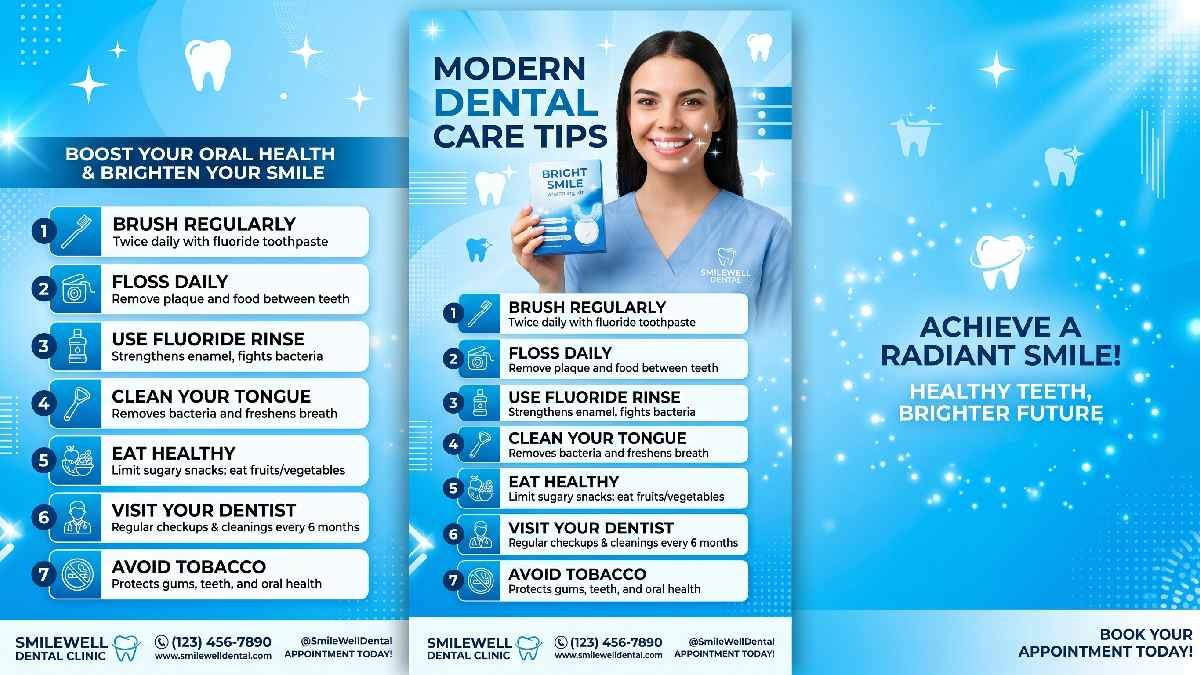
Getting solid results isn’t complicated, but most people leave effectiveness on the table by skipping steps that matter. These tips work with any product on this list and make a real difference in quality and staying power.
None of this is demanding. Small adjustments before, during, and after the treatment period add up to noticeably better outcomes. The whitening kit is one part of the process. What you do around it matters just as much.
Brush Before Whitening
Always brush before applying anything. Plaque and food residue create a barrier between the whitening agent and your enamel. Removing it before each session makes a measurable difference. Skipping this is the most common mistake first-time users make. Use regular toothpaste, not whitening toothpaste, right before applying the kit.
Some whitening toothpastes interfere with the gel’s effectiveness when used right before treatment. Plain fluoride toothpaste cleans without that problem. Brush gently for two minutes. Clean surface, better results. That’s all it takes.
Avoid Staining Foods and Drinks
Enamel is more porous right after a whitening session. Stains get absorbed more easily in that window. Coffee, tea, red wine, and dark berries should be held off for at least an hour after treatment. Managing this consistently extends how long results last. This doesn’t mean cutting things out entirely. It means timing.
Morning coffee, evening whitening session, the overlap disappears with one simple adjustment. The 48 hours after your final session matter most. Enamel is at its most porous then. What you consume in that window has a disproportionate effect on how well results hold.
Stay Consistent
Missing sessions is where most people go wrong. Gaps slow the process and stretch the timeline past what the packaging promises. Build it into your routine. Set a reminder. Treat it as non-negotiable.
People who use a kit four days out of seven and wonder why results don’t match the advertising are making a predictable mistake. Treatment timelines assume daily use. Less frequent use means slower or no visible results. Pick a time. Make it fixed. Once it’s a habit, it stops requiring real effort.
Follow the Instructions
Leaving whitening product on longer than directed doesn’t speed up results. It increases sensitivity and enamel damage risk without any meaningful benefit. The timing exists because someone tested the formula and found where effectiveness ends and harm begins.
Every kit is different. What one formula handles fine at 30 minutes could damage teeth with another higher-concentration product at the same duration. More time does not equal more whitening. Patience and correct use beat impatience and overuse every time.
Maintain Your Results
Daily whitening toothpaste after finishing a treatment course keeps surface stains from building back. Low effort, consistent impact. It’s the easiest way to extend results without repeating a full course. Touch-up treatments a couple of times a year stop the shade from sliding back.
Most brands sell smaller maintenance kits at lower prices for exactly this purpose. Lifestyle habits are the biggest long-term factor. The kit gets you there. The habits keep you there.
Are At-Home Teeth Whitening Kits Safe?
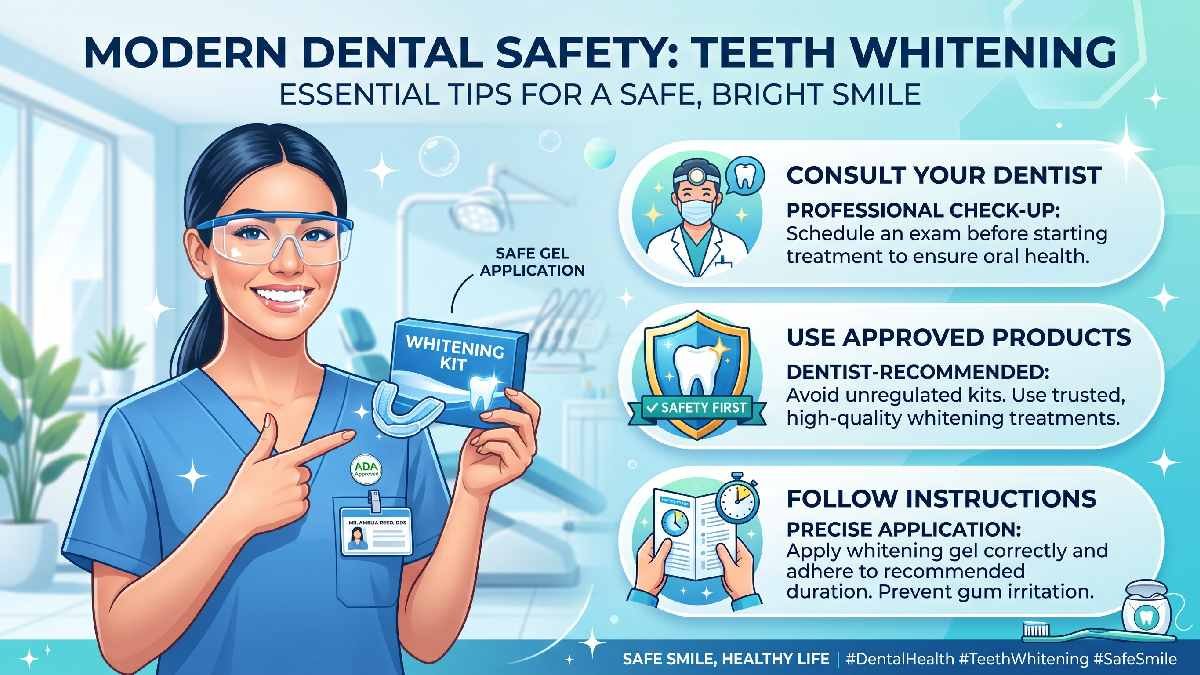
Used correctly, yes. The ingredients in the best at-home teeth whitening kits have been tested in professional dental settings for a long time. Risk comes from misuse, leaving products on too long, using too strong a concentration, or whitening over an existing dental problem.
Millions use these products every year without issues. Bad stories online almost always trace back to misuse or an untreated condition that should have been addressed first. Read the label. Follow directions. Pay attention to how your teeth respond. Common sense handles most of the safety equation.
Potential Side Effects
Temporary sensitivity and mild gum irritation are the two most common complaints. Both typically fade within a couple of days after the course ends. Sensitive toothpaste during the whitening period makes the process more comfortable for most people.
Gum irritation usually happens when gel contacts gum tissue instead of just the tooth surface. Using the minimum gel needed and wiping away excess reduces this problem. Mild temporary discomfort is normal. Significant pain that doesn’t fade after treatment ends is not. That warrants a dentist visit.
ADA Seal of Acceptance
Products with this seal went through independent testing and came out verified for safety and effectiveness. Not every good product carries it. When it’s present, the brand submitted real evidence and passed real scrutiny, not a self-certification process. Testing for ADA acceptance is rigorous.
Brands can’t buy their way to it. Crest is the most prominent product on this list, carrying that seal. It signals independently confirmed quality, not just marketing claims. Choosing between two unknown products, and one has the seal that’s a meaningful tiebreaker.
When to Consult a Dentist
Cavities, gum disease, and significant enamel erosion should be resolved before whitening. Using a whitening kit on damaged teeth makes things worse and turns a cosmetic concern into an expensive dental problem. If a proper checkup hasn’t happened in a while, do that first.
Knowing the condition of your teeth helps you choose the right product and concentration. Mention at-home whitening to your dentist and ask what they’d recommend or warn against. That conversation takes five minutes and can save a lot of trouble.
Natural Teeth Whitening Alternatives
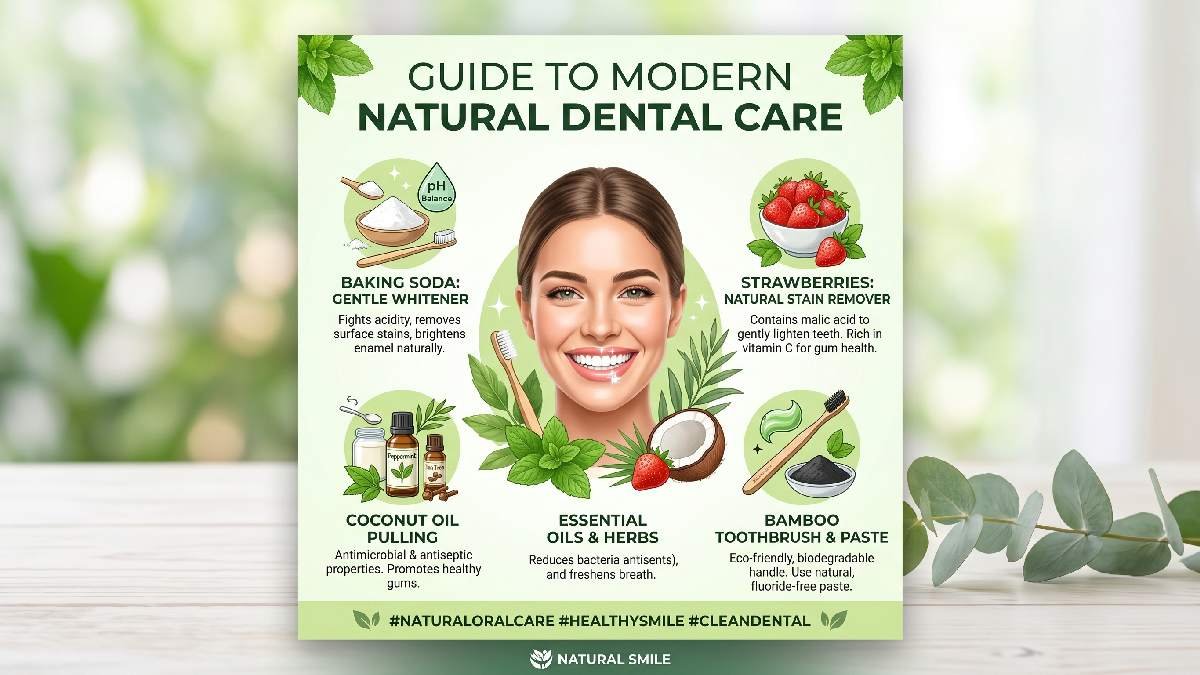
Some people want to try natural options first. That’s a reasonable starting point. The honest reality is that natural alternatives have real limitations compared to peroxide-based products. Some have a legitimate role in oral care routines, but none of them deliver dramatic whitening results on their own.
Oil pulling, baking soda, and activated charcoal are the three that get the most attention; all have different evidence bases and different risks. None are standalone whitening solutions. Knowing what they can and can’t do saves time on approaches that won’t deliver what you’re looking for.
Oil Pulling
Swishing coconut or sesame oil for 15 to 20 minutes has some research support for reducing bacteria and improving oral health. The whitening claim is where the evidence gets very thin. The mechanism isn’t strong enough to produce meaningful shade change.
It’s not a bad practice if you enjoy the oral health benefits that the research supports. Just don’t expect it to replace a proper whitening kit. Add it to your routine if you want. Pair it with something that actually whitens if a brighter smile is the goal.
Baking Soda
Baking soda removes surface stains through mild abrasion. Some clinical studies back that for light recent staining. What it doesn’t do is change the actual color of tooth structure underneath the surface. Surface cleaning and bleaching are different things.
Regular direct use also wears enamel down over time. A toothpaste listing baking soda as one of several ingredients is safer than applying it straight to teeth regularly. Reasonable as a light maintenance tool. Not a substitute for a whitening kit.
Activated Charcoal
Popular on social media. Consistently unpopular among dental professionals. It’s highly abrasive and wears enamel down with regular use. Thinner enamel makes teeth look more yellow over time because darker dentin shows through. Using charcoal to whiten and ending up with worse discoloration is not a rare outcome.
Whitening evidence is genuinely weak. Occasional short-term use carries less risk than regular ongoing use. Better options exist that don’t carry the enamel damage concern. No sensitivity yet after regular use? That doesn’t mean it’s safe. It means damage hasn’t become noticeable yet.
Frequently Asked Questions
How Long Does It Take to See Results?
Most whitening kits show noticeable results within a few days, though full results often appear after several weeks of consistent use.
How Long Do Whitening Results Last?
Whitening results can last several months to a few years, depending on diet, oral hygiene habits, and lifestyle choices.
Can I Use Whitening Kits If I Have Sensitive Teeth?
Yes, many whitening kits are designed for sensitive teeth, though choosing gentle formulas may help reduce discomfort.
Do Whitening Kits Work on All Types of Stains?
Whitening kits work best on surface stains, while deep or internal discoloration may require professional dental treatment.
Conclusion
A noticeably whiter smile is achievable without a fortune or a dental procedure. The best at-home teeth whitening kits have closed the gap between professional and at-home results more than most people expect. Crest for a trusted, proven formula. Snow for short sessions and dental work compatibility. GLO Science for clinical backing and speed. Zimba for natural ingredients on a budget.
Something on this list fits your situation. Pick one that matches your teeth, your schedule, and your budget. Use it consistently throughout the full course. Protect results after treatment ends. Do occasional touch-ups to stop things from sliding back. A brighter smile is a few weeks away. Pick one and start.