
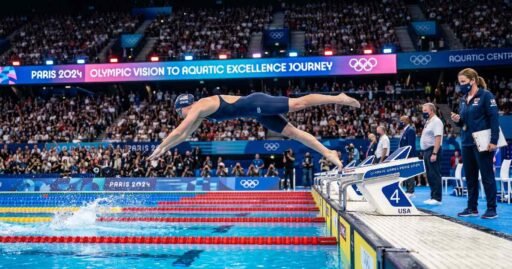
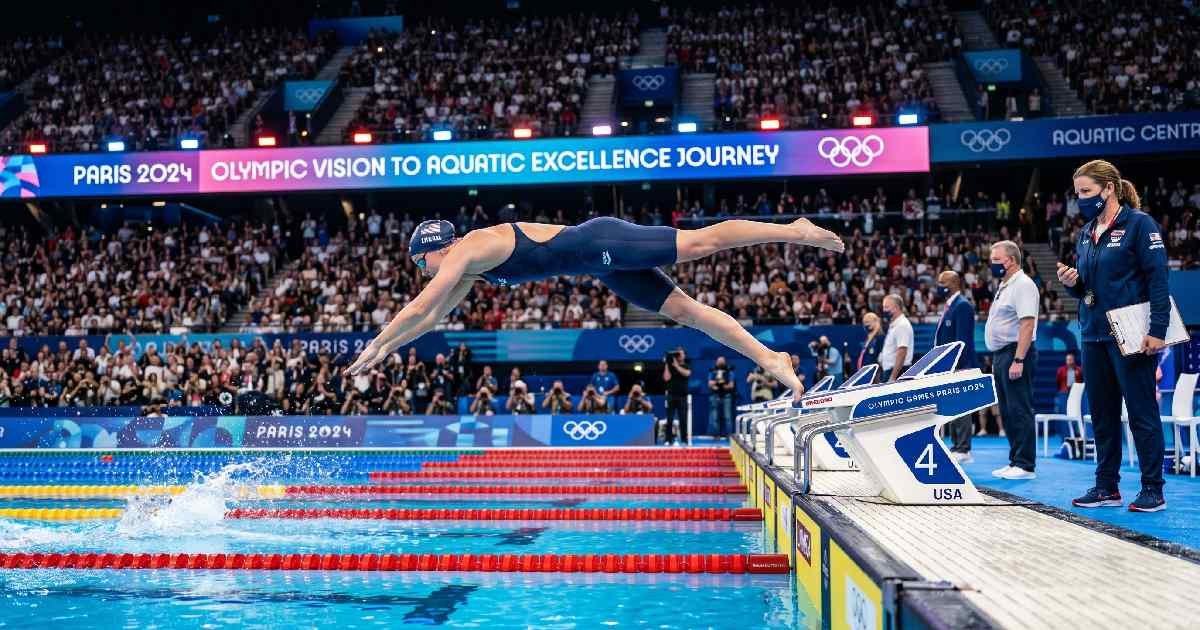

From Olympic Vision to Aquatic Excellence
Swimming is a powerful sport. It builds strength and discipline. Athletes train every single day. The Olympic dream is real. Millions chase aquatic excellence worldwide. Local pools produce global champions. Coaches guide every step. Science improves performance fast. Hard work never stops. Every lap counts.
Every second matters. Swimmers sacrifice sleep, time, and comfort. They push beyond their limits daily. The journey is tough but rewarding. Olympic vision starts with one goal. That goal grows bigger every day. Aquatic excellence is not luck. It is always pure dedication and consistency.
The History of Olympic Aquatic Sports
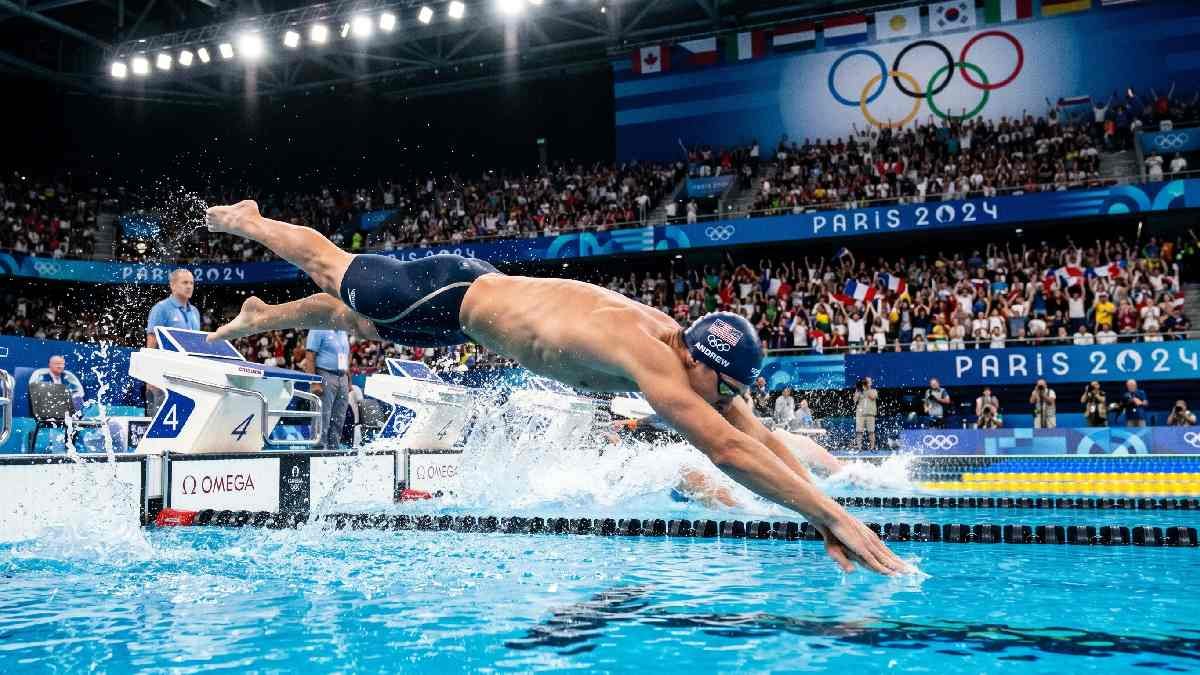
Olympic swimming started in 1896. It began in Athens, Greece. Swimmers raced in open seawater. No pools existed back then. The sport grew quickly worldwide. New strokes were introduced over time. Pools became standardized globally. Diving and water polo were added later. Synchronized swimming joined the Games, too.
Each decade brought major improvements. Coaching methods became more advanced. Equipment improved significantly. Records were broken again and again. Today, aquatic sports are massive. Millions watch them worldwide. The history is rich and inspiring. It reflects human passion for water and speed always.
How Aquatic Sports Evolved Over Time
Early swimming was very basic. The technique barely existed then. Coaches had little knowledge. Training was rough and simple. Over time, science changed everything. Stroke mechanics were deeply studied. Data became very important. Video analysis helped coaches greatly. Heart rate tracking improved training. Biomechanics research changed the technique forever.
Nutrition science supports athletes better. Recovery methods improved significantly. Swimsuit technology advanced rapidly. Pool design became more scientific. Today’s swimmers are far superior. They are faster and stronger. Every generation breaks old records. Evolution never stops in aquatic sports.
What Does Olympic Vision Mean in Swimming
The 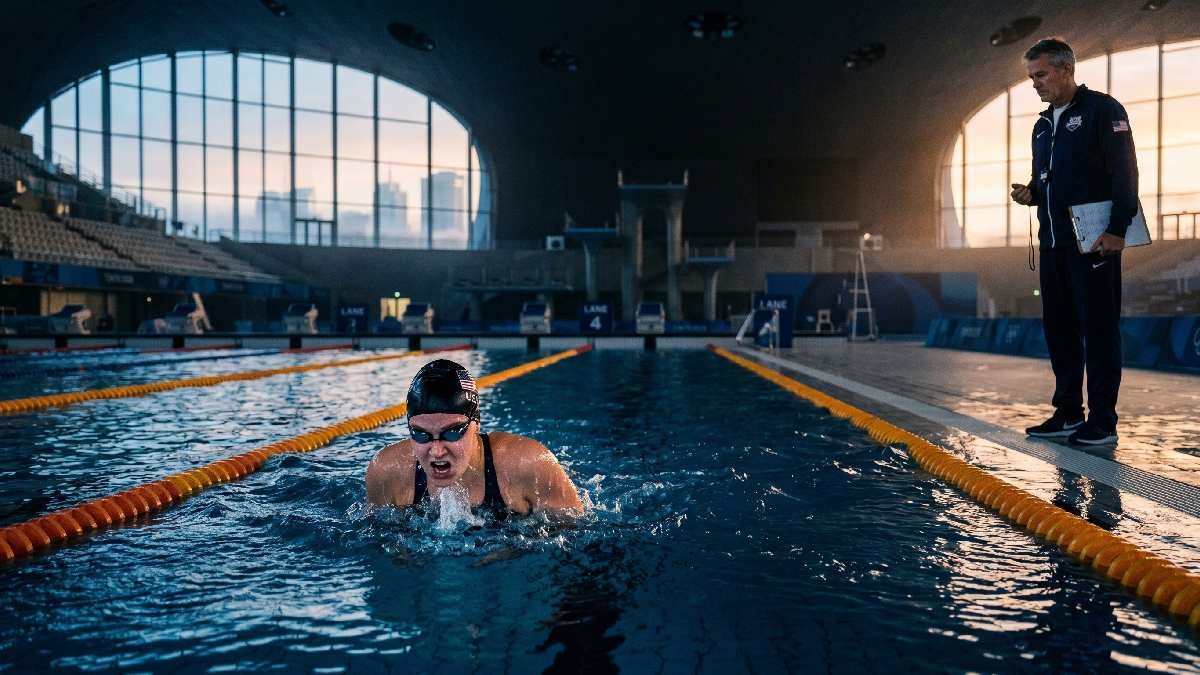
Olympic vision is a big dream. It starts with one decision. That decision is to never quit. Swimmers wake up early daily. They train through pain and doubt. They believe in themselves strongly. Failure does not stop them. Every setback makes them stronger. Olympic vision is not just talent. It is a burning desire inside.
It demands daily sacrifice. It requires full commitment always. Coaches help build this vision. Family support matters greatly, too. The goal is bigger than medals. It is about personal growth. Olympic vision transforms ordinary swimmers into extraordinary champions every time.
Building a Champion Mindset From Day One
Champions think differently. They start strong from day one. Discipline is their daily habit. They never miss training sessions. Mental strength is built slowly. It grows through hard work. Coaches push athletes beyond limits. Visualization is practiced regularly. Swimmers imagine their races clearly. Positive self-talk is very important.
Fear is replaced with confidence. Small goals lead to big wins. Consistency builds unstoppable momentum. Champions embrace failure as learning. They never make excuses ever. Every day is a new chance. A champion mindset is earned, not given. It always starts with one brave decision.
Key Training Methods for Aquatic Excellence
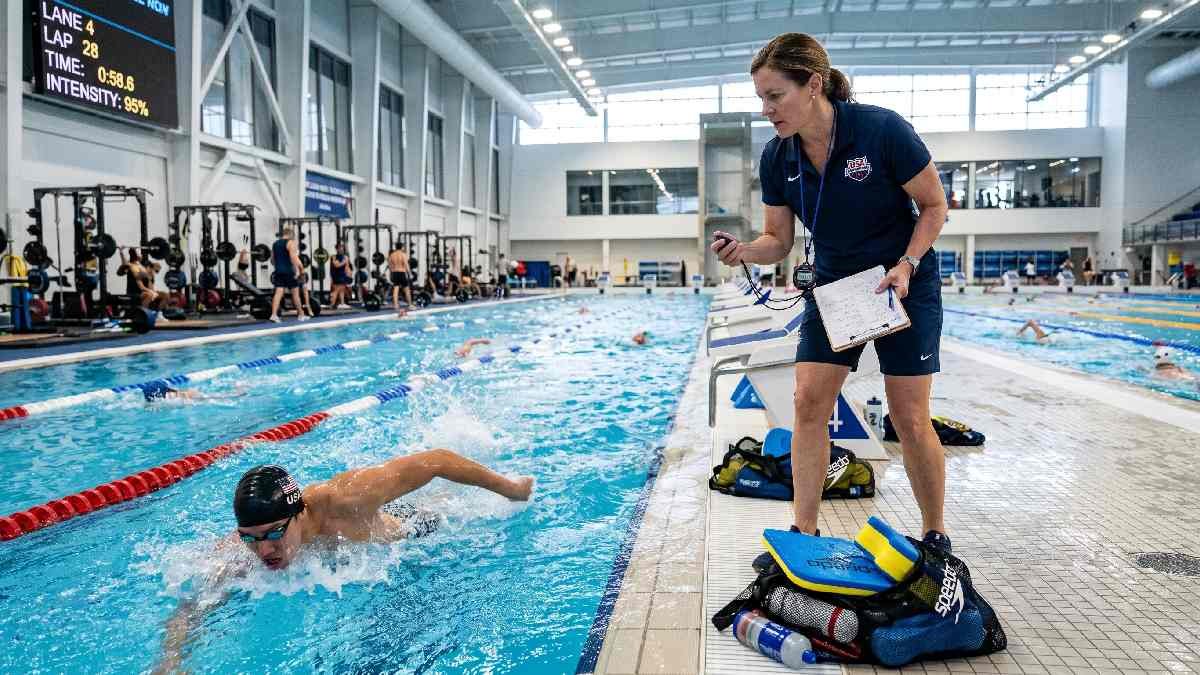
Training must be structured well. Every session has a clear purpose. Dryland workouts build strong muscles. Core strength is developed daily. In-water drills sharpen technique fast. Stroke efficiency improves with repetition. Speed training pushes athletes hard. Endurance sessions build lasting stamina. Recovery is equally important always.
Sleep repairs muscles overnight. Ice baths reduce soreness quickly. Massage keeps the body flexible. Coaches design smart training cycles. Peak performance is carefully planned. Nothing is left to chance. Every detail matters in training. Aquatic excellence demands total commitment from every swimmer every single day without exception.
Role of Nutrition in Swimming Performance
Food is powerful fuel. Swimmers need proper nutrition daily. Protein repairs muscles fast. It supports growth and recovery. Carbohydrates give lasting energy. They power long training sessions. Healthy fats support brain function. Hydration is extremely critical always. Dehydration hurts performance badly. Meal timing matters greatly too.
Pre-training meals boost energy levels. Post-training meals speed up recovery. Junk food weakens performance fast. Clean eating builds strong athletes. Coaches and dietitians work together. Nutrition plans are fully personalized. Every swimmer has different needs. Good nutrition is half the battle won always.
Technology and Aquatic Sports Performance
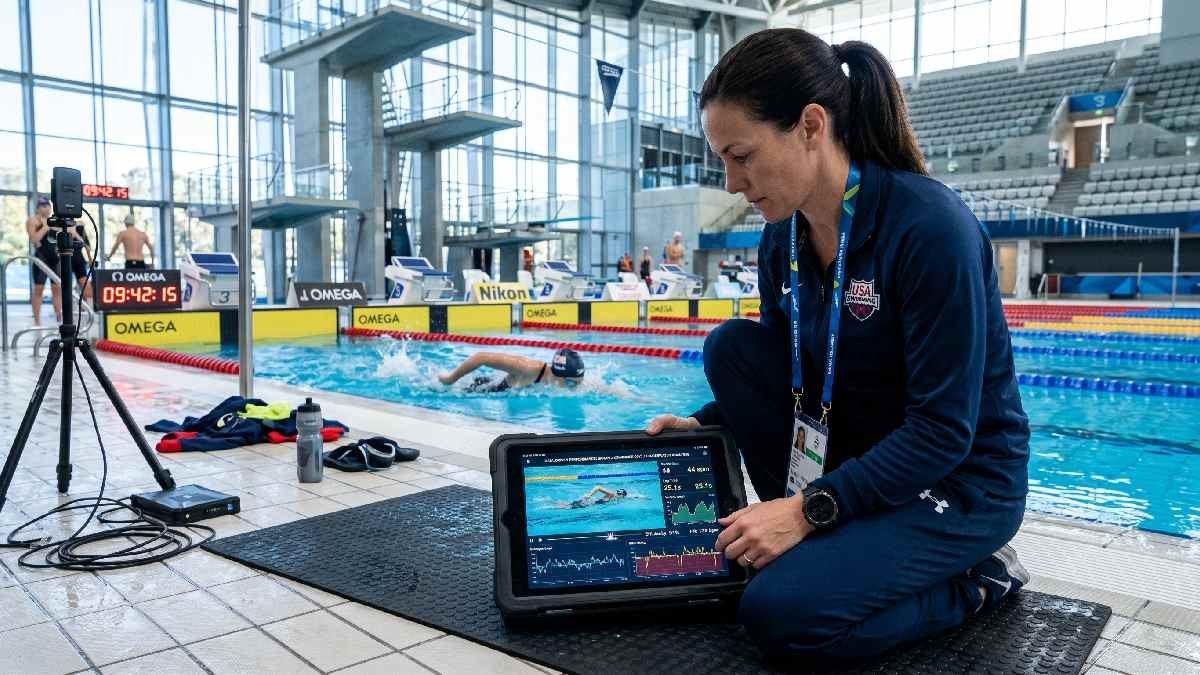
Technology changed swimming forever. It made training smarter and faster. Underwater cameras film every stroke. Coaches study footage carefully daily. Wearable sensors track performance data. Heart rate is monitored constantly. Stroke count is measured precisely. Split times are recorded automatically. Software analyzes data instantly now.
Coaches make better decisions fast. Swimsuits are engineered for speed. Advanced materials reduce water drag. Pool design uses science heavily. Every detail is carefully optimized. Technology removes guesswork completely. It connects talent with excellence perfectly. Smart training always beats hard training alone in modern competitive swimming today.
How Pool Design Impacts Swimming Speed
Pool design affects race speed. Modern pools are carefully engineered. Lane ropes absorb waves effectively. Water turbulence is greatly reduced. Pool depth matters significantly always. Deeper pools reduce water resistance. Gutters eliminate wave bounce quickly. Water temperature is carefully controlled. Starting blocks are precisely designed.
Touchpads measure finish times accurately. Lighting is optimized for clarity. Every measurement follows strict standards. Fast pools produce fast swimmers. Bad pool design slows everyone down. Engineers and sports scientists collaborate closely. Design improvements keep breaking world records. A perfect pool gives every swimmer a fair and fast racing experience.
From Local Pools to Olympic Stages
Every champion started small. They swam in local pools first. Small clubs produced big talent. Coaches always spotted potential early. Hard work replaced fancy facilities. Dedication beat every obstacle faced. Local competitions built confidence fast. Regional meets tested real ability. National championships opened bigger doors. International competitions followed naturally after.
The Olympic stage became reachable slowly. Support systems matter enormously, always. Family encouragement drives young swimmers. Scholarships help talented athletes greatly. Government funding supports elite programs. The pathway is open to all. Any dedicated swimmer can reach the Olympic stage with vision, hard work, and strong belief.
Youth Development Programs in Aquatic Sports
Youth programs change young lives. They introduce swimming early and safely. Children learn basic strokes first. Fun is always the top priority. Technique is taught before speed, always. Coaches are patient and encouraging. Young swimmers build strong foundations. Confidence grows with every session. Life skills are learned through swimming. Teamwork becomes a natural habit.
Discipline develops from a young age. Time management improves significantly too. Many Olympic stars began here. Youth programs create tomorrow’s champions. Governments invest heavily in them. Sports organizations support them strongly. Every great swimmer once started as a beginner in a simple youth development program.
FAQ: From Olympic Vision to Aquatic Excellence
At what age should a child start swimming?
Children can start at age three. Early swimming builds safety skills and strong foundations fast.
How many hours do Olympic swimmers train daily?
They train five to eight hours. Two sessions per day are very common among elite swimmers.
What is the most important swimming stroke?
Freestyle is the fastest stroke. It is used most in Olympic competitions worldwide.
Can adults achieve aquatic excellence later in life?
Yes, absolutely, they can. Consistent training and good coaching make adult improvement very possible.
How does mental training help competitive swimmers?
It builds strong focus fast. It reduces anxiety and keeps swimmers calm during tough races.
Conclusion
Olympic vision is powerful. It transforms ordinary people into champions. Aquatic excellence demands full dedication. Every day of training counts greatly. Smart coaching accelerates progress fast. Technology supports modern swimmers well. Nutrition fuels every great performance. Youth programs build future champions.
Local pools create Olympic stars. The journey is long but worth it. Never give up on your dream. Every lap brings you closer. Every session makes you stronger. Believe in your aquatic vision always. Work hard every single day. The Olympic stage is real. It is waiting for dedicated swimmers like you. Start today and never stop swimming forward, always.