

Professional Esports Is Reaching a New Level in Competitive Gaming
The world of professional esports has reached a New Level that nobody expected ten years ago. What started as casual gaming is now a billion-dollar global industry. Millions of fans watch tournaments live and online every single week. Players earn massive salaries and live like professional athletes today. Brands and investors consistently pour money into esports for every tournament. Full-time young.
Games like Valorant and CS2 attract millions of viewers worldwide daily. Esports arenas are packed with screaming fans during big gaming events. Now, gamers dream of becoming professional gamers. Professionals are completely changing everything about competitive gaming today.
The Rise of Professional Esports Organizations
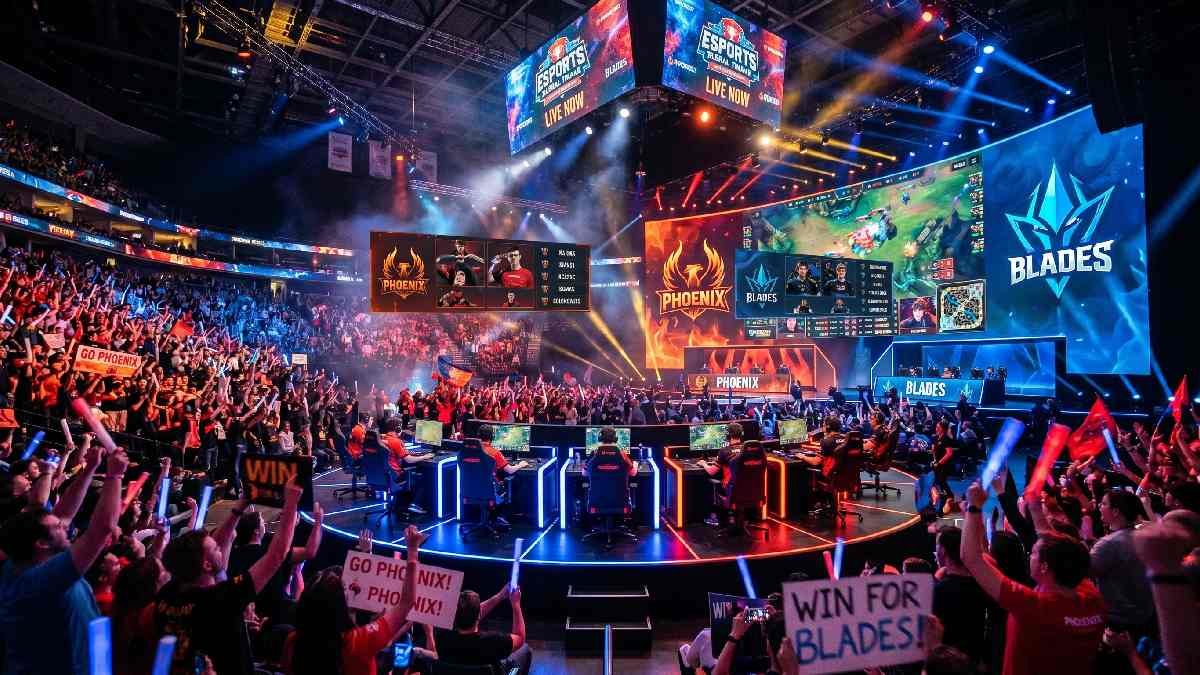
Professional esports organizations have grown into powerful global brands with massive fan bases worldwide. Teams like T1, Cloud9, and Fnatic are recognized all over the world today. These organizations sign players to formal contracts with fixed monthly salaries. They provide housing, food, gym access, and mental health support for players. Team managers handle schedules, travel, and player performance tracking every day.
Marketing teams build brand identity and attract big corporate sponsors globally. Social media managers grow fan communities across multiple online platforms consistently. Scout teams find talented young players from online ranked matches worldwide. This growth shows esports organizations are evolving into serious and professional sporting institutions globally.
billion-dollarHow Esports Teams Are Structured Today
Every professional esports team today has a very organized and detailed internal structure. Coaches plan strategies and review match footage every single day carefully. Players train eight to twelve hours daily to stay highly competitive always. Analysts study enemy teams and prepare detailed reports before every match.
Psychologists help players manage stress and performance anxiety on a scientific basis. Na utsix-figurete healthy meal plans keeping players sharp and fully focused. Support day-to-day logistics and operations smoothly, always. This full structure proves esports team management has become deeply professional and organized.
Why Esports Organizations Are Growing So Fast
Esports organizations are growing fast because gaming audiences are expanding globally every single day. Young fans connect deeply with teams and follow them across all social platforms. Sponsors see huge value in reaching loyal and engaged gaming audiences worldwide. Teams now generate revenue through merchandise, streaming deals, and in-game content.
Franchise league models provide stable and predictable yearly income for organizations. International expansion allows top teams to build fan bases across multiple countries. Strong branding and marketing strategies help organizations attract both fans and investors consistently. This fast growth shows the esports industry is becoming a serious global business.
Player Contracts and Salaries in Esports Today
Player contracts in professional esports have become very detailed and legally structured today. Top players in League of Legends and CS2 earn salaries every year. Contracts include performance bonuses, prize pool shares, and streaming revenue agreements. Players also earn money through personal sponsorships and branded social media content.
Agents and lawyers now represent professional esports players during contract negotiations. The transfers between teams involve large transfer fees similar to traditional sports. Young academy players sign development contracts before moving to the professional rosters. Salary structures in esports show the industry has matured into a real profession.
Big Money Is Entering the Esports Industry
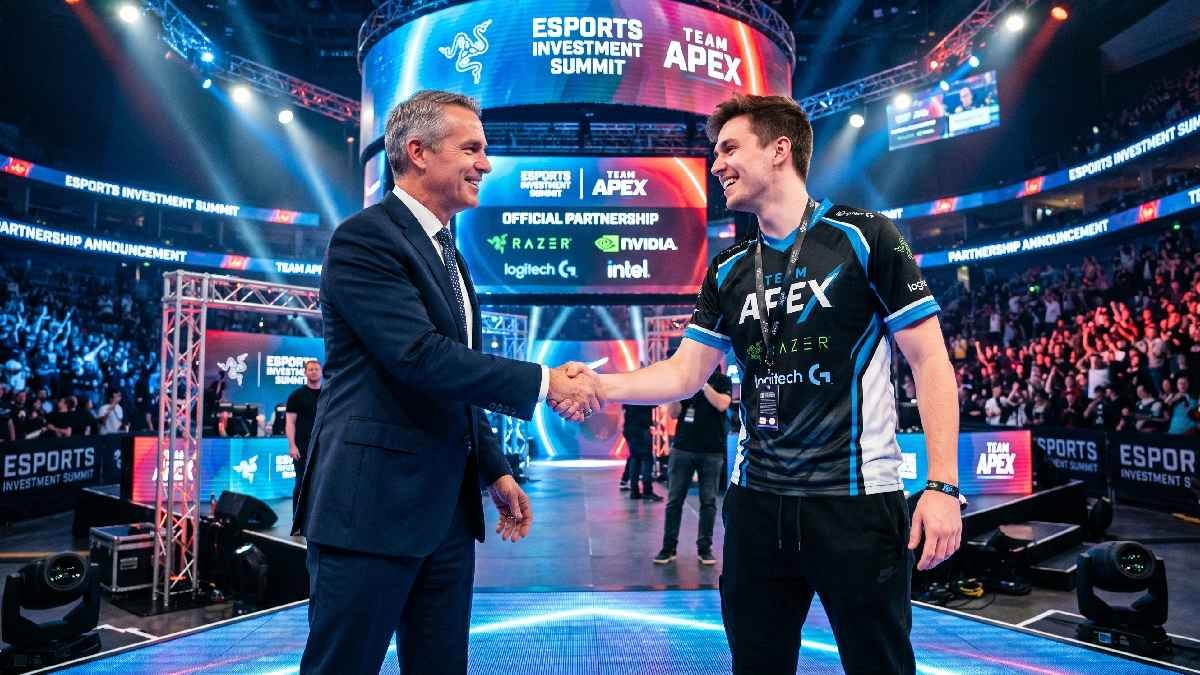
Massive amounts of money are flowing into esports from corporations and investors worldwide today. Major companies like Red Bull, BMW, and Intel sponsor top esports teams globally. These sponsorship deals are worth millions of dollars every single year consistently. Tournament prize pools have grown from small amounts to tens of millions. The Dota 2 International prize pool once exceeded forty million dollars in rewards.
Venture capital firms and billionaire investors are buying into esports franchises fast. Streaming platforms pay millions for exclusive rights to broadcast major esports events. Player salaries in top leagues now match those of traditional professional athletes easily. This money flow proves esports has become a fully legitimate and serious global industry.
Sponsors and Brand Partnerships in Esports
Sponsorship in esports has grown from small gaming brands to massive global corporations today. Companies like Mastercard and Louis Vuitton now partner with esports organizations regularly. These deals include jersey logos, branded content, and special in-game collaborations online. Energy drinks, car brands, and tech companies see huge value in esports audiences.
Sponsors get access to young and highly engaged fans who trust gaming brands deeply. Long-term partnership deals are becoming more common between brands and top teams. Esports sponsorship revenue is expected to grow significantly in the coming years. Brand partnerships show how seriously corporations now take the esports industry globally.
Prize Pools and Tournament Investment Growth
Prize pools in professional esports tournaments have grown dramatically over the past decade. Riot Games and Valve invest millions into their flagship tournament prize structures annually. Community-funded prize pools like Dota 2 International broke all previous records consistently. Corporate-backed leagues like LCS and LEC offer guaranteed prize money every split.
Smaller regional tournaments also offer significant prize money, attracting local talent globally. Growing prize pools motivate young players to pursue professional gaming as a real career. Tournament organizers invest heavily in production, venues, and player experience every year. Rising prize money proves the esports industry takes competition very seriously worldwide today.
Investor Interest and Esports Valuations
Investor interest in professional esports has grown into a very serious financial movement globally. Top esports organizations like TSM and Cloud9 are valued at hundreds of millions. Billionaire investors from traditional sports are buying into esports franchises very actively. Private equity firms see long-term growth potential in esports media and content rights.
Team valuations are rising every year as viewership and fan bases keep growing. Investors also fund esports tech startups building tools for players and organizations. Revenue streams from streaming, merchandise, and sponsorships make teams attractive investments always. Rising valuations prove esports has reached serious financial credibility in the investment world.
Esports Arenas and Live Events Are Growing Fast

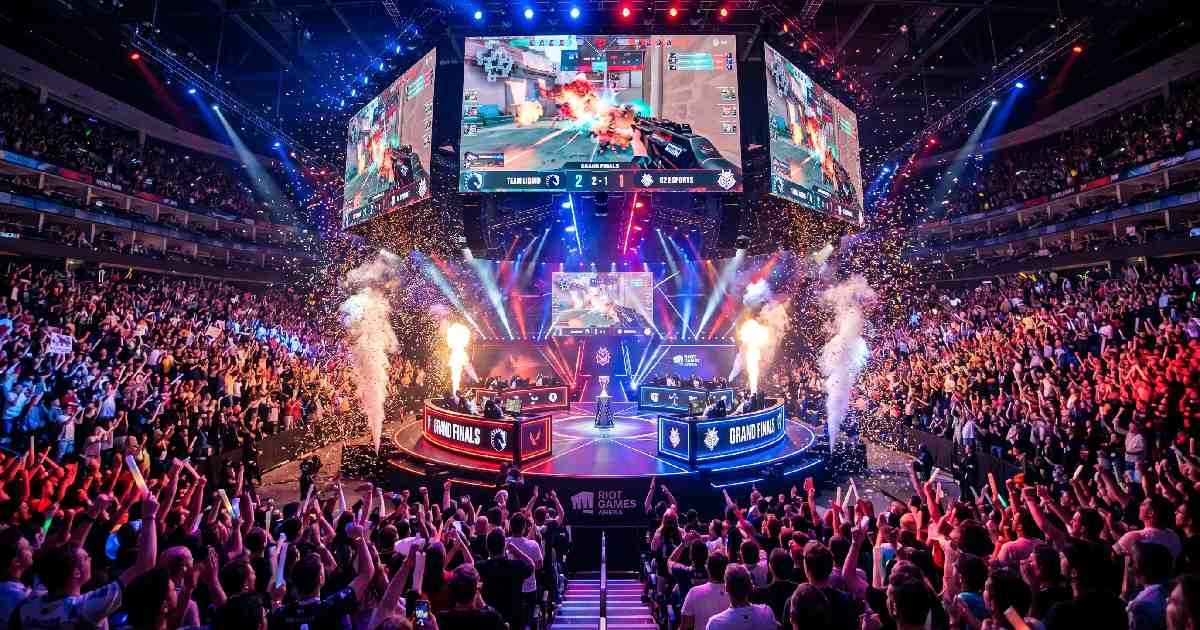
Live esports events have transformed into massive spectacular shows enjoyed by fans worldwide today. Thousands of passionate fans attend major tournaments held in giant arenas globally. League of Legends Worlds fills stadiums with over forty thousand screaming fans easily. Production quality at these events rivals that of top music concerts and sports finals completely. Giant LED screens display player cameras, live stats, and highlight replays simultaneously.
Professional hosts, casters, and analysts create exciting live entertainment for every fan. Cities around the world compete to host major esports events for economic benefits. Ticket prices range from affordable general admission to premium VIP packages. Esports live events have become world-class entertainment experiences enjoyed by millions globally.
Why Fans Are Filling Stadiums for Esports
Fans attend live esports events because the atmosphere is absolutely electric and unforgettable. Watching your favorite team win on a giant screen with thousands of fans is thrilling. Live events offer exclusive merchandise and meet-and-greet sessions with professional players.
Cosplay competitions and gaming booths make events feel like huge, exciting festivals globally. The community feeling at esports events is very strong and welcoming for all ages. Social media makes event highlights go viral, reaching millions of new people worldwide. Fan passion at live events continues to grow stronger and more exciting every year.
How Esports Event Production Has Improved
Esports event production has improved dramatically over the past five years worldwide. Professional production companies now handle lighting, sound, and broadcast quality at major events. Opening ceremonies feature live performances, drone shows, and cinematic video presentations. Broadcast teams include experienced directors, camera operators, and graphics designers for every event.
Multiple camera angles and slow-motion replays make watching esports more exciting visually. Player introduction segments build hype and excitement for fans inside the arena. Commentary teams with deep game knowledge explain strategies to casual and hardcore fans. High production value makes esports events feel as grand as any major sporting event.
Cities and Countries Hosting Major Esports Events
Cities around the world are actively competing to host major professional esports tournaments today. South Korea has been a leading host nation for esports events since the early 2000s. Cities like Los Angeles, Shanghai, and Cologne regularly host major esports championships annually. Local governments see esports events as major economic opportunities for tourism and business.
Hotels, restaurants, and transport services benefit greatly when major esports events arrive. New purpose-built esports arenas are being constructed in multiple countries right now. Government support for esports hosting shows how seriously nations take competitive gaming today. Hosting major esports events puts cities on the global entertainment and sports map permanently.
Streaming and Content Creation Fuel Esports Growth
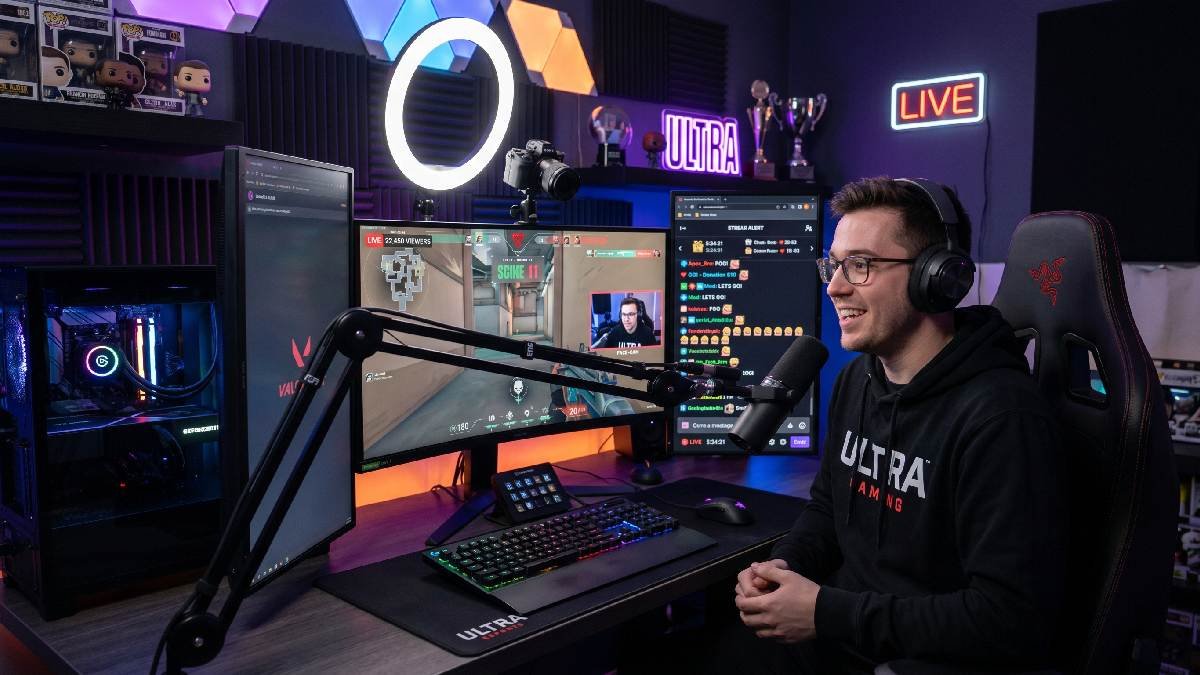
Streaming platforms have completely transformed how people discover and follow professional esports today. Twitch, YouTube Gaming, and Facebook Gaming host millions of hours of esports content daily. Top esports events generate hundreds of millions of live views across all platforms. Players build strong personal brands by streaming practice sessions and interacting with fans. Streaming income from subscriptions and donations adds significantly to total player earnings.
Content creators make highlight videos and tutorials, attracting millions of new gaming fans. Social media algorithms push exciting esports clips to millions of non-gaming users daily. Brands pay streamers for sponsored content and product promotions very regularly. Streaming has completely changed how professional esports reaches and grows its global audience.
How Twitch Changed Esports Broadcasting Forever
Twitch launched in 2011 and immediately gave esports a dedicated global broadcasting platform. For the first time, anyone could watch professional players compete live completely free. Players could build direct relationships with millions of fans without any middlemen involved. Chat features allowed fans to react in real time, creating a strong live community.
Clips and highlight reels spread across social media, reaching massive new audiences daily. Twitch Extensions allowed teams to display live stats and polls during broadcasts always. Exclusive streaming deals brought major esports tournaments to dedicated platform audiences consistently. Twitch has completely changed how esports content reaches and engages fans worldwide today.
YouTube Gaming and Content Creator Impact
YouTube Gaming gave esports content a permanent home for long-form videos and highlights. Players and creators upload tutorials, match analyses, and funny gaming moments every day. Highlight compilations attract millions of views from both fans and casual viewers globally. YouTube’s algorithm pushes gaming content to new audiences who never watched esports before.
Monetization through ads and memberships gives creators stable income from esports content. Documentary-style videos about professional players and teams build deep emotional fan connections. Live streaming on YouTube gives teams another platform to reach broader global audiences. YouTube Gaming has helped esports content grow into a massive worldwide media category.
Social Media and Viral Esports Moments
Social media platforms have made viral esports moments reach millions of people instantly worldwide. Twitter, Instagram, TikTok, and Reddit spread exciting clips from major tournaments very fast. A single incredible play can go viral and introduce thousands of new fans to esports. Players with strong social media presence attract more sponsors and brand partnership deals.
Teams use social media to build daily connections with fans between tournament events. Behind-the-scenes content showing player personalities helps fans feel personally connected always. Viral moments from esports tournaments generate mainstream media coverage and wider public attention. Social media has become one of the most powerful tools for growing esports audiences globally.
Women and Diversity Are Reshaping Esports
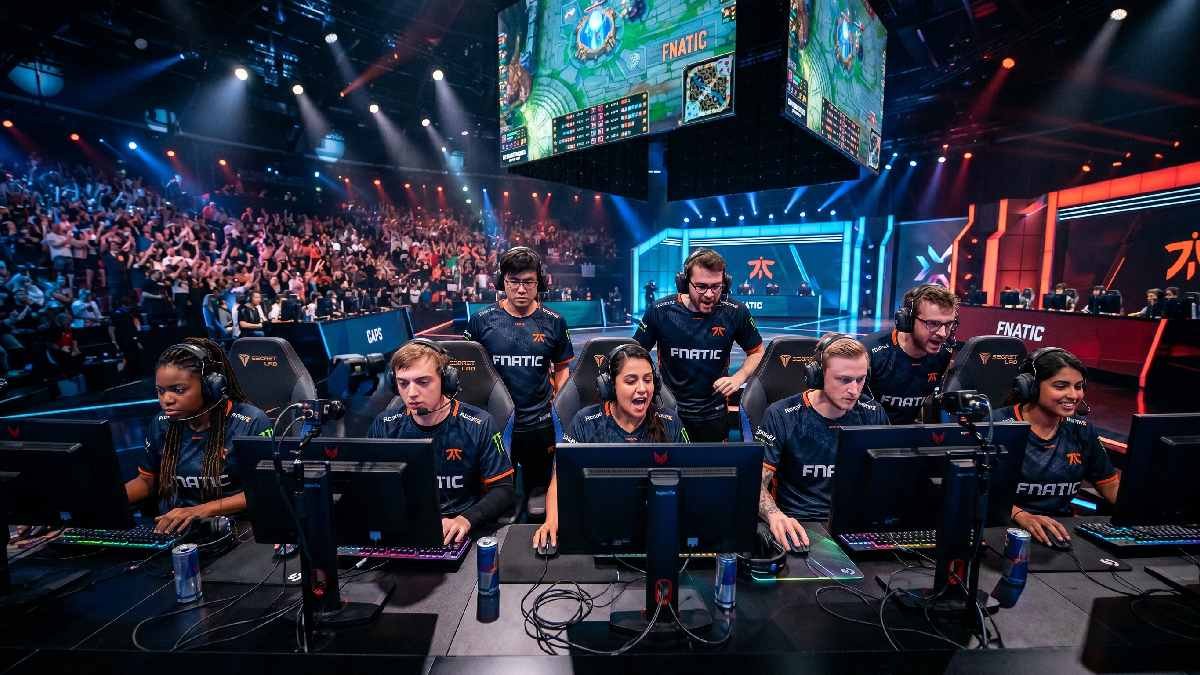
Diversity and inclusion in professional esports have improved significantly over recent years worldwide. Women, minorities, and underrepresented communities are finding growing space in competitive gaming today. Female players are competing at higher levels and earning recognition for incredible skills. Organizations are actively creating women-only leagues and tournaments to build talent pipelines. Diversity hiring programs bring more women into coaching, management, and broadcasting roles now.
LGBTQ+ players find strong community support and acceptance in modern esports spaces globally. Racial diversity is clearly visible among top players, casters, and analysts at events. Scholarship programs help students from all backgrounds enter professional esports academies worldwide. Diversity in esports is making the industry stronger, richer, and more globally representative today.
Women in Competitive Esports Today
Women are making significant progress in competitive esports across multiple game titles today. Female players like Hafu, Scarlett, and Geguri have proven that women can compete at elite levels. Dedicated women-only leagues in Valorant and League of Legends provide competitive opportunities. Organizations like Cloud9 White specifically build rosters of talented female esports players. Female casters and analysts are becoming more visible at major international esports events.
Scholarships and development programs help young women enter competitive esports pipelines early. Growing female viewership is encouraging organizations to invest more in women-focused content. Women in esports are breaking barriers and inspiring a new generation of female gamers.
Diversity Programs and Inclusion Initiatives
Major esports organizations are launching diversity programs to make gaming more welcoming for everyone. Riot Games and Blizzard have created specific inclusion initiatives for underrepresented communities in esports. Mentorship programs connect minority players with professional coaches and experienced industry leaders. Anti harassment policies in major leagues protect players from toxic and discriminatory behavior always.
Community outreach programs introduce esports to young people from underserved backgrounds globally. Diverse hiring practices are bringing more representation into esports management and broadcasting roles. Inclusion training programs help teams create healthier and more supportive work environments. These diversity initiatives are making professional esports a more equal and welcoming industry globally.
How Inclusion Improves Esports Team Performance
Research consistently shows that diverse and inclusive teams perform better in high-pressure environments. Different cultural backgrounds bring unique strategic thinking and problem-solving approaches to teams. Players from varied backgrounds communicate differently, which strengthens overall team adaptability significantly. Inclusive team cultures reduce internal conflict and improve long-term player retention rates.
Mental health support programs designed for diverse players improve overall performance outcomes consistently. Teams with inclusive environments report higher player satisfaction and stronger team chemistry always. Coaches who embrace diversity create more creative and flexible competitive strategies for matches. Inclusion is not just good ethics; it is a genuine competitive advantage in professional esports today.
College Esports Programs Are Training Future Pros
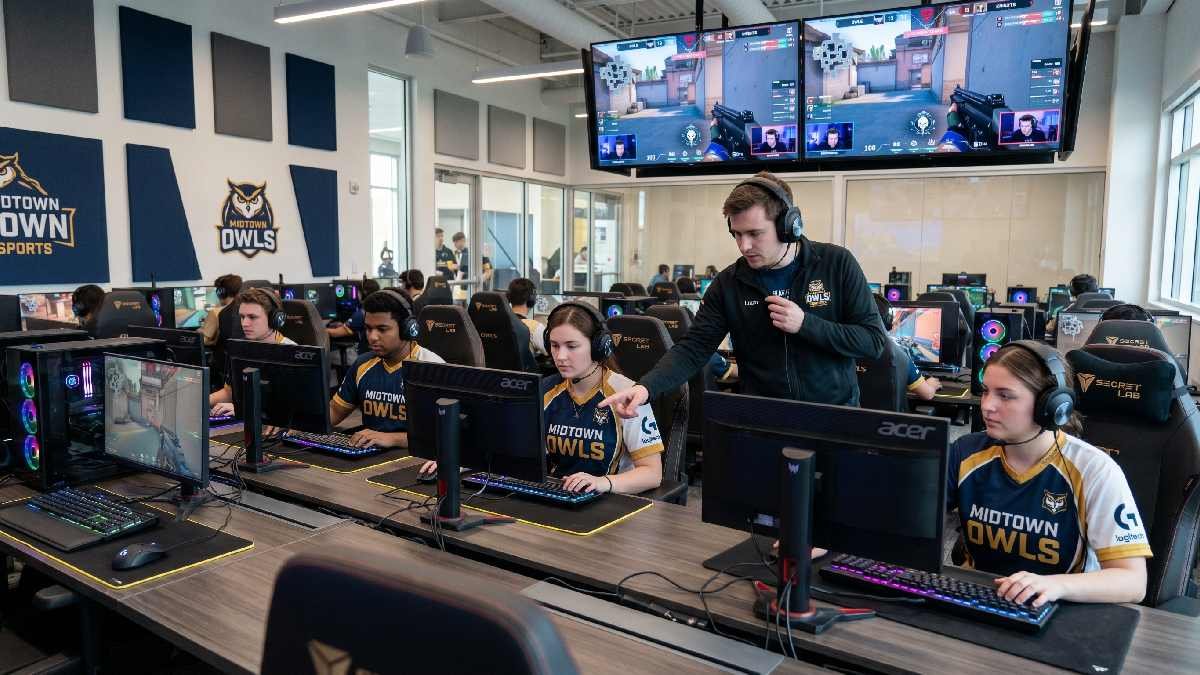
College esports programs have become a serious and structured pathway into professional competitive gaming. Over two hundred universities in the United States currently offer varsity esports programs. Students receive scholarships covering tuition, housing, and equipment costs for competing actively. College leagues like NACE and Big Ten Esports provide strong competitive experience for players.
Coaches with professional backgrounds teach game strategy, teamwork, and mental preparation daily. Programs combine gaming training with academic courses in business, marketing, and game design. College esports events attract thousands of online viewers and generate strong media coverage. Graduates move directly into professional team rosters, coaching, or esports business careers. College esports programs are building the next generation of professional gaming talent worldwide consistently.
Esports Scholarships and University Programs
Esports scholarships have made professional gaming a legitimate and supported academic pursuit today. Over two hundred American universities offer partial or full scholarships for esports athletes. Scholarship packages cover tuition, accommodation, high-performance gaming equipment, and coaching fees. Students compete in official college leagues while maintaining their academic study requirements.
Esports scholarships attract talented players who might not have considered university education before. Programs at schools like Ohio State and UC Irvine are considered elite esports academies. International students from Asia and Europe are also earning esports scholarships at American universities. These scholarship programs show that academic institutions fully recognize esports as a real sport.
College Leagues and Competitive Pathways
College esports leagues provide students with structured and competitive pathways toward professional gaming careers. NACE Starleague and Tespa organize regular-season matches across hundreds of university campuses. Big Ten Esports brings the prestige of traditional collegiate sports into competitive gaming officially. College teams compete in games like League of Legends, Overwatch, Rocket League, and Valorant.
Regular-season play followed by playoffs mirrors the structure of traditional college sports leagues. Top-performing college players get noticed by professional team scouts during major tournaments. Some colleges hold open tryouts, giving talented walk-on players a chance to compete. College league experience prepares players mentally and competitively for the professional esports world.
Career Opportunities After College Esports
College esports programs prepare graduates for a wide range of career opportunities in gaming. Not every graduate becomes a professional player, but all gain valuable and transferable skills. Program alumni find jobs as coaches, team managers, analysts, and broadcasters in esports. Business and marketing graduates work for esports organizations, game publishers, and media companies.
Event management graduates help organize major esports tournaments and live events worldwide. Broadcasting and communications students become esports casters, hosts, and content producers professionally. Tech-focused graduates build tools, platforms, and analytics systems for the esports industry. College esports education opens doors to a growing and exciting global industry for graduates.
Esports and Traditional Sports Are Merging
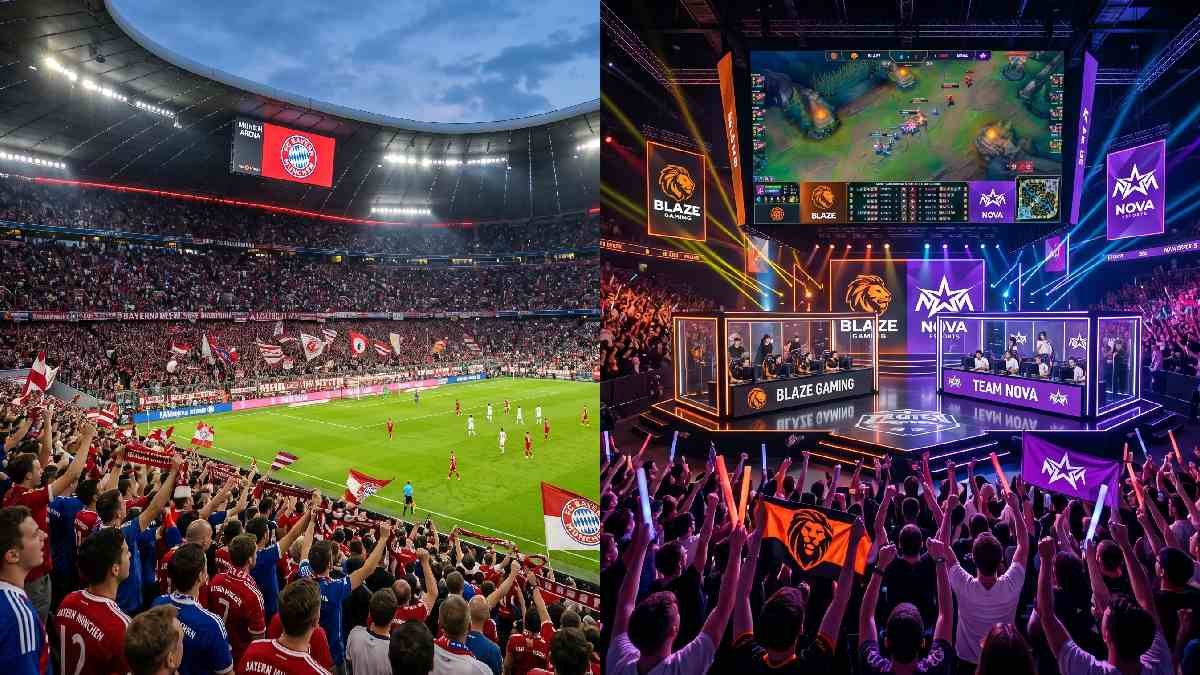
The merger of traditional sports and esports has created exciting new opportunities for both industries. Major sports franchises from the NBA, NFL, and Premier League now own official esports teams. Golden State Warriors and Philadelphia 76ers have dedicated League of Legends esports rosters today. Paris Saint-Germain and Manchester City have officially entered Rocket League and FIFA esports. Sports investors understand that esports audiences are young, digital, and extremely brand loyal.
Shared stadiums now host both traditional sports and esports events in the same venues. Traditional sports media networks like ESPN regularly broadcast major esports tournaments worldwide. Cross-promotional events successfully bring traditional sports fans into the esports world. This powerful merger is creating a stronger and more unified global sports entertainment industry.
Why Traditional Sports Teams Are Investing in Esports
Traditional sports teams are investing in esports because the financial opportunity is genuinely enormous today. Esports audiences aged eighteen to thirty-four are extremely valuable to global advertisers worldwide. Digital merchandise and in-game items create revenue streams that physical sports simply cannot match. Franchise leagues like LCS and LEC offer stable, guaranteed competitive spots similar to traditional sports.
Media rights for esports are growing rapidly as viewership numbers continue to increase every year. Cross-promotion between traditional and esports teams doubles overall marketing reach for both brands. Young fans who follow esports become lifelong customers for parent sports organization brands consistently. Investment in esports helps traditional sports organizations stay relevant with younger digital audiences.
Famous Athletes and Celebrities Entering Esports
Many famous athletes and celebrities are now investing in or promoting professional esports actively. NBA star Shaquille O Neal and rapper Drake have both invested in esports organizations. Football players like David Beckham have taken ownership stakes in esports franchise teams globally. Celebrities bring mainstream attention and media coverage to esports tournaments and organizations.
Their large social media followings introduce esports to audiences who never followed gaming before. Celebrity involvement attracts new sponsors and brand partnerships to esports organizations quickly. Athletes understand the competitive nature of esports and respect it as a serious sport. Celebrity investment is helping esports gain mainstream cultural acceptance and recognition worldwide today.
Shared Infrastructure Between Sports and Esports
Traditional sports venues are increasingly being used to host major professional esports events today. Stadiums like Staples Center in Los Angeles have hosted major League of Legends championship events. Purpose-built esports arenas inside traditional sports complexes are being developed globally now. Shared infrastructure reduces costs for esports organizers and increases venue availability significantly.
Sports venue technology like giant screens and sound systems enhances the esports viewing experience greatly. Venue staff trained for traditional sports can easily adapt to supporting large esports events successfully. Partnerships between sports venue operators and esports promoters are becoming increasingly common globally. Shared infrastructure shows how deeply traditional sports and esports worlds have become connected today.
FAQ
What is professional esports?
A: Professional esports is organized competitive gaming where skilled players earn money competing in video game tournaments globally today.
How much do professional esports players earn?
A: Top esports players earn millions yearly through salaries, prize money, sponsorships, and streaming revenue combined.
Is esports a real career option today?
A: Yes, esports offers real careers as players, coaches, analysts, broadcasters, and event managers at a New Level worldwide.
Which games are most popular in professional esports?
A: League of Legends, CS2, Valorant, Dota 2, and Fortnite are the most popular professional esports titles today.
Can women compete in professional esports?
A: Yes, women actively compete in professional esports with dedicated leagues and growing support from major organizations globally.
Are there colleges that offer esports programs?
A: Yes, over 200 US universities offer esports scholarships, training students for professional gaming careers successfully today.
Conclusion
Professional esports has officially reached a New Level that is changing the entire world of competitive gaming forever. Big money, global fans, diverse players, and strong college programs are completely reshaping this massive industry. Traditional sports and esports are merging into one incredibly powerful global entertainment world together now.
Streaming platforms give fans direct and personal access to their favorite professional players every single day. Giant arenas are filled with passionate crowds at every major tournament held worldwide consistently. Women and underrepresented groups are finally finding their rightful place in competitive gaming today.
College programs are producing the next generation of skilled and business-ready esports professionals globally. The future of professional esports is bright, exciting, and full of amazing opportunities for everyone everywhere. The New Level has officially arrived, and professional esports will never be the same again.