


Enabling the Renewable Grid: How Clean Energy Is Powering the Future
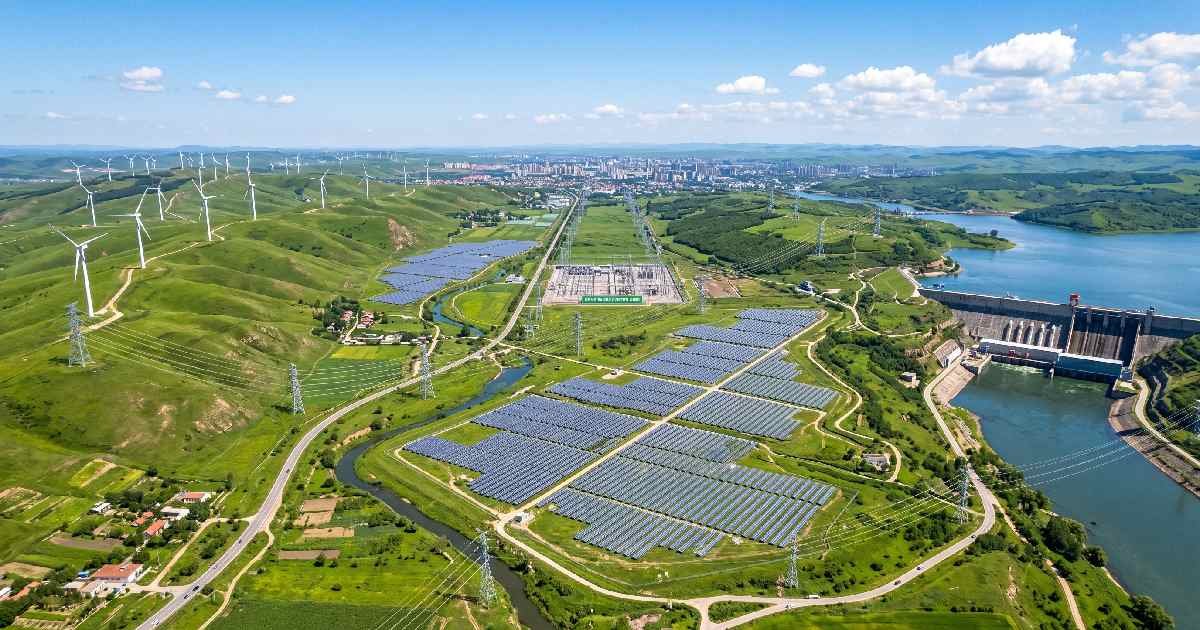
The world is shifting to clean energy. Old power systems relied on coal and gas. New systems use solar, wind, and batteries. Enabling the renewable grid means connecting all these clean energy sources. It also means making the grid smarter, safer, and more reliable for everyone.
Governments and companies are investing heavily in this transition. Millions of people now depend on renewable power daily. The shift is not just environmental. It is also economic and social. Clean energy creates jobs, reduces pollution, and builds energy security for future generations worldwide.
What Is a Renewable Grid?
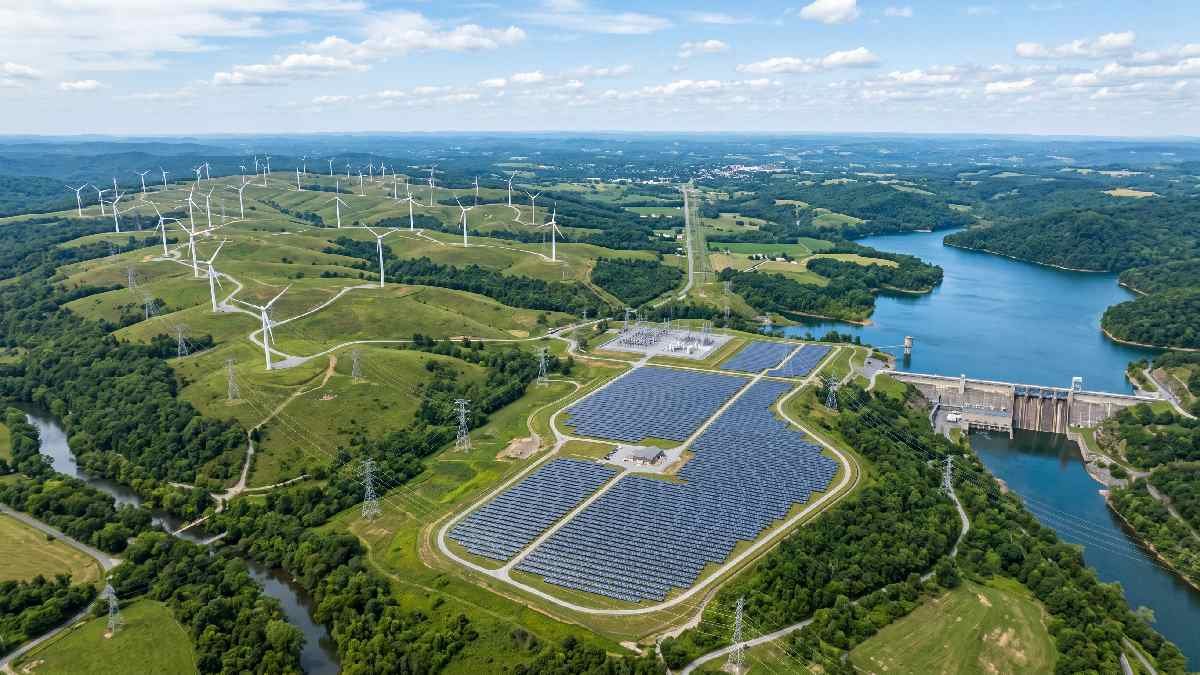
A renewable grid uses clean energy sources to generate power. These include solar panels, wind turbines, and hydropower stations. Unlike fossil fuels, these sources do not produce harmful carbon emissions. They are sustainable and naturally available across the planet.
A renewable grid connects clean energy directly to homes and businesses every day. It balances supply and demand in real time using smart technology. Sensors and software help manage this complex balance efficiently. The goal is a reliable, affordable, and low-carbon power system for every community around the world.
Why Enabling the Renewable Grid Matters
Climate change is a serious global challenge today. Energy production is one of the biggest causes of carbon emissions worldwide. Burning coal and gas releases carbon dioxide into the atmosphere constantly. This warms the planet and causes dangerous extreme weather events globally.
Enabling the renewable grid reduces these harmful emissions significantly. It also lowers energy costs over time for consumers. Solar and wind power are now cheaper than coal in many regions. Clean energy creates millions of new jobs and improves public health across communities everywhere.
Key Technologies Behind the Renewable Grid
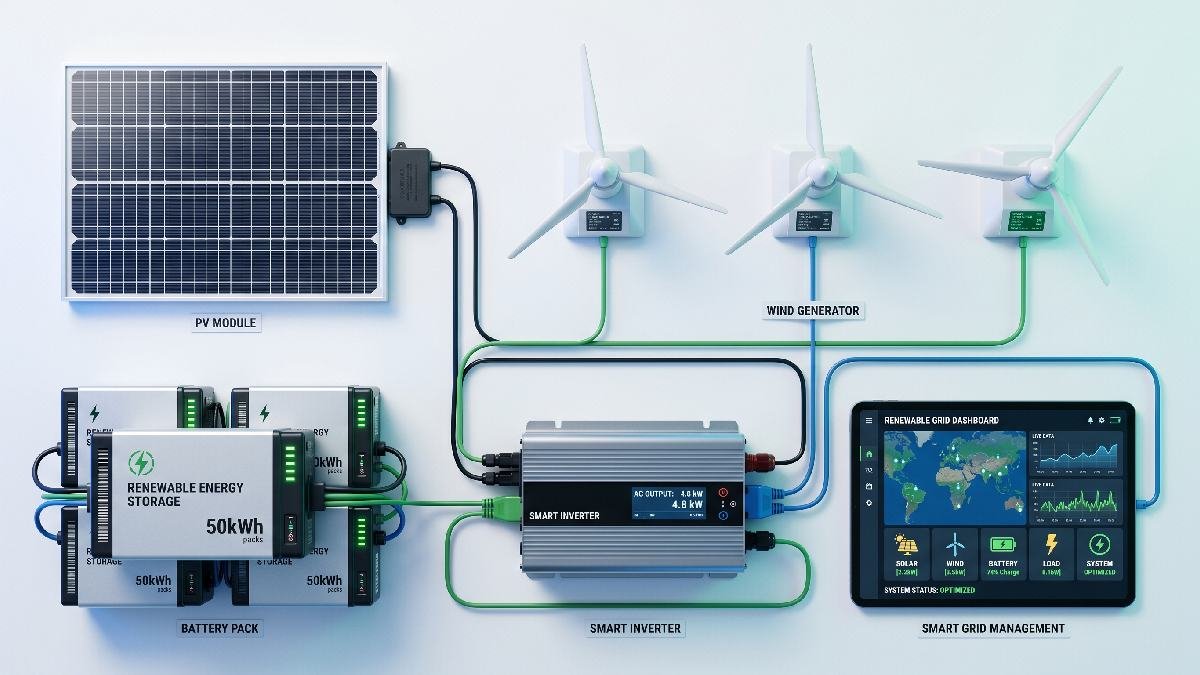
Several important technologies make the renewable grid possible today. Solar panels convert sunlight into electricity directly and efficiently. Wind turbines capture energy from moving air at scale. Battery storage saves extra energy for use during low-generation periods. Smart inverters and grid sensors improve system control and performance.
High-voltage transmission lines carry power over very long distances. Demand response systems adjust usage during peak times automatically. Together, these tools create a flexible, stable, and intelligent energy network for a clean future.
Solar Energy
Solar panels are the fastest-growing energy technology in the world today. They absorb sunlight through photovoltaic cells and convert it into usable electricity. Solar energy is now affordable for homes, businesses, and large power plants.
Rooftop solar systems give consumers energy independence and lower bills. Utility-scale solar farms generate power for thousands of homes at once. Costs have fallen dramatically over the past decade, making solar very competitive globally.
Wind Energy
Wind turbines generate electricity from natural moving air currents efficiently. They are installed on land and offshore in coastal ocean areas. Wind energy is now one of the cheapest sources of power available.
Large wind farms supply electricity to entire cities and industrial regions. Offshore wind turbines are bigger and produce more power than land ones. Wind energy is growing rapidly as a key part of the renewable grid worldwide.
Battery Storage Systems
Batteries store extra energy produced during sunny or windy periods safely. They release stored power when generation drops at night or on calm days. Grid-scale batteries are growing fast in size and capacity globally.
Storage makes the renewable grid stable, reliable, and available around the clock. Without storage, renewable energy cannot fully replace fossil fuels effectively. Battery technology is improving rapidly, and costs are falling every single year.
Challenges in Enabling the Renewable Grid
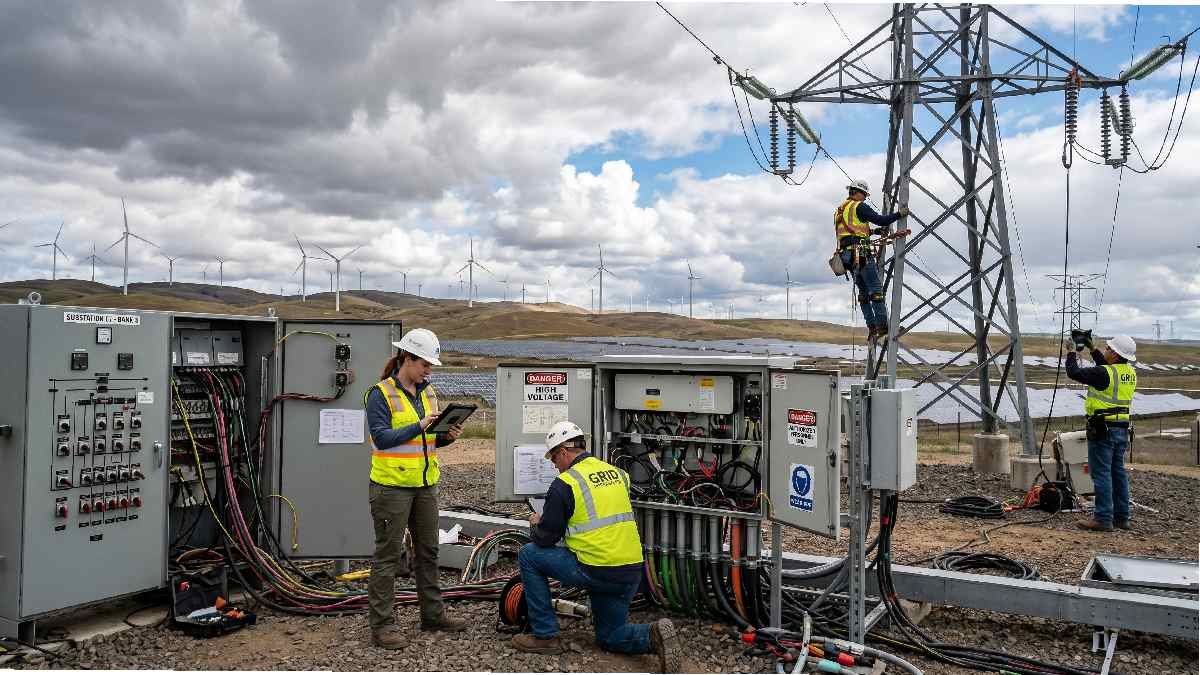
The renewable grid faces serious technical and financial challenges today. Solar and wind power are variable and not always available on demand. The sun does not always shine, and the wind does not always blow steadily. Grid operators must balance supply and demand every second of every day.
Upgrading old power infrastructure is expensive and takes many years to complete. Connecting remote renewable farms to cities requires large investments in new lines. Policy, funding, and public support are all needed to overcome these major obstacles.
Grid Balancing
Grid balancing means matching electricity supply with demand at all times. This is very hard when energy sources are variable and unpredictable daily. Advanced forecasting tools help operators predict solar and wind output accurately.
Smart software adjusts power flow automatically across the network in real time. Better grid management reduces the risk of blackouts and costly power failures. Grid balancing technology is improving fast as renewable energy expands globally.
Infrastructure Upgrades
Old power grids were built decades ago for fossil fuel energy systems. They cannot handle large amounts of variable renewable energy without upgrades. Upgrading transmission lines and substations is costly and time-consuming work.
New infrastructure must support two-way energy flow across the entire network. Connecting remote wind and solar farms to cities requires hundreds of miles of new lines. Governments must fund and prioritize these upgrades to enable the renewable grid.
Policy and Regulation
Strong policy and regulation are essential for enabling the renewable grid. Governments must create clear rules for grid connection and fair energy pricing. Supportive policies attract private investment into clean energy infrastructure projects.
Carbon pricing and subsidies help make renewables more competitive than fossil fuels. Regulation ensures the grid stays safe, reliable, and affordable for all consumers. Without good policy, the renewable transition will be slow and inefficient globally.
The Role of Energy Storage
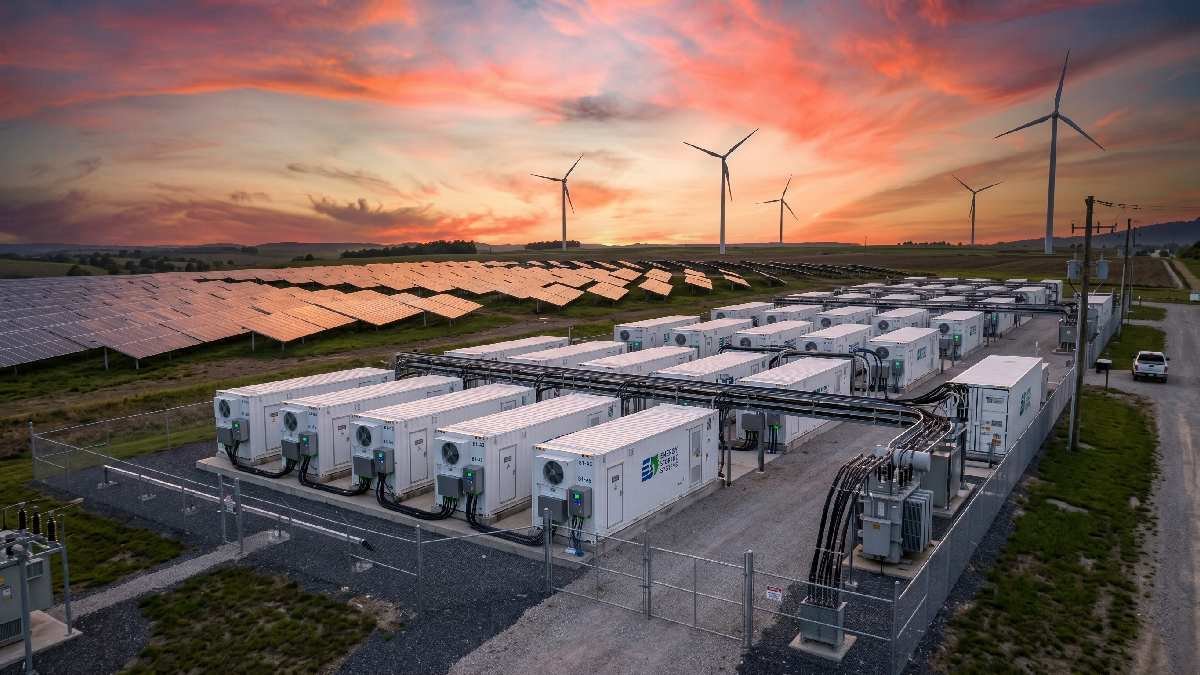
Energy storage is one of the most critical parts of the renewable grid. Batteries and other storage systems save excess solar and wind power efficiently. They release that stored power when generation is low or demand is very high. Without storage, renewable energy would be wasted during peak production times.
Storage bridges the gap between when energy is made and when it is needed. It makes the entire renewable grid more reliable, stable, and cost-effective. Investment in energy storage is growing rapidly in countries around the world today.
Lithium-Ion Batteries
Lithium-ion batteries are the most widely used grid storage solution today. They charge quickly and can release large amounts of power on demand. Large battery systems are being installed in many countries around the world.
Their costs have dropped by over 90 percent in the past ten years. This makes them affordable for both small home systems and large grid projects. Lithium-ion technology continues to improve in energy density and cycle life.
Pumped Hydro Storage
Pumped hydro is the oldest and largest form of energy storage in use. Water is pumped uphill into a reservoir when excess electricity is available. It flows back down through turbines to generate power when needed again.
This system can store massive amounts of energy for days or even weeks. Pumped hydro is very reliable and has a very long operational lifespan. It currently provides the majority of grid-scale energy storage capacity worldwide.
Emerging Storage Technologies
Hydrogen and flow batteries are exciting new storage technologies gaining attention. They offer much longer storage durations than standard lithium-ion battery systems. Hydrogen stores energy as a gas and converts it back to electricity when needed. Flow batteries use liquid electrolytes that can be scaled up very easily.
These technologies are still developing but show very strong future potential. They could become key parts of the global renewable energy storage strategy. Smart Grid Technology and Digitization. Smart grids use advanced digital technology to manage electricity flow efficiently. Sensors monitor power use across the entire network continuously in real time.
Artificial intelligence helps predict energy demand and optimize supply every day. Smart meters give consumers direct control over their personal energy usage. Electric vehicles can also act as mobile battery storage units on the grid. Two-way communication between utilities and users improves overall system efficiency greatly. Digitization is essential for enabling the renewable grid at full national scale.
AI and Machine Learning
AI systems analyze large amounts of grid data to forecast demand accurately. They help grid operators make faster and smarter decisions every single day. Machine learning detects patterns and improves energy efficiency across the network.
AI reduces waste by matching supply and demand more precisely over time. It also helps predict equipment failures before they cause serious problems. AI and machine learning are becoming essential tools for modern renewable grid management.
Smart Meters
Smart meters measure and track electricity usage in real time in homes. They automatically send detailed data to utility companies every single day. Consumers can see exactly how much energy they use and when.
This helps people reduce consumption and lower their monthly electricity bills. Smart meters also help utilities detect faults and power outages much faster. They are a simple but very powerful tool for a smarter energy system.
Electric Vehicles as Grid Assets
Electric vehicles can store electricity and return it to the grid when needed. This technology is called vehicle-to-grid or V2G and is growing fast. Millions of EV batteries connected create massive distributed grid storage.
Car owners can sell stored energy back to the grid during peak demand times. This earns them money while helping stabilize the entire power network. EVs are becoming a very important part of the future clean energy ecosystem.
Frequently Asked Questions (FAQ)
What does “enabling the renewable grid” mean?
It means building systems that allow clean energy sources to power homes and businesses reliably.
Is renewable energy reliable enough for daily use?
Yes, with proper storage and smart grid technology, renewables can meet daily energy needs consistently.
How does battery storage help the renewable grid?
Batteries store extra solar and wind energy and release it when generation drops or demand rises.
What is the main challenge for the renewable grid?
The main challenge is managing the variable output of solar and wind to maintain a stable power supply.
Are renewable grids more expensive than fossil fuel grids?
Initially, yes, but long-term costs are lower because fuel is free and maintenance costs are minimal.
What role does government play in enabling the renewable grid?
Governments set policies, fund infrastructure, and create incentives that speed up the transition to clean energy.
Conclusion
Enabling the renewable grid is essential for a clean and sustainable future. It requires smart technology, large-scale energy storage, and strong government policy support. Solar, wind, and batteries are already transforming power systems in countries around the world.
The transition takes serious time, money, and political commitment to complete successfully. But the long-term benefits are very clear for everyone. Cleaner air, lower energy costs, and a stable climate await future generations. Every single step toward a fully renewable grid brings the world closer to a better tomorrow.