




How Poker in the UK Blends Social Interaction, Entertainment and Strategic Thinking
Poker has carved out a distinctive place in British culture, attracting millions who enjoy its mix of skill, chance and personal connection. The UK is home to over 2.5 million active poker players, a figure that highlights how deeply the game has embedded itself in everyday entertainment. The game rewards patience, observation and calculated risk-taking, keeping players engaged long after the novelty fades.
From kitchen-table games among friends to large-scale tournaments, poker suits casual players and dedicated enthusiasts alike. This broad appeal explains why poker continues to thrive across England, Scotland, Wales and Northern Ireland, regardless of age, income or background, blending fun with genuine mental challenge.
Introduction
Poker is far more than a simple card game in the UK; it has become a cultural fixture that blends entertainment, social bonding and strategic thinking into one experience. Players across the country are drawn to its unpredictable nature, the thrill of competition and the chance to sharpen decision-making skills.
Whether played casually at home or competitively in tournaments, poker offers something for everyone. Its growing popularity reflects changing attitudes toward gaming, with more people recognising poker as a respected pursuit rather than a purely chance-based gamble, making it a uniquely engaging and socially rewarding activity for millions of Britons.
Understanding the Appeal of Poker in the UK
Poker’s appeal in the UK lies in its rare combination of skill, social interaction and unpredictability. Players are drawn not just by the possibility of winning but by the mental challenge each hand presents. The game rewards patience, observation and calculated risk-taking, which keeps people returning long after the initial excitement fades.
From casual home games to organised tournaments, poker accommodates every type of player. This flexibility, paired with its deep strategic layers, ensures the game remains relevant and engaging across different age groups, skill levels and lifestyles throughout Britain today.
Why Poker Offers More Than Just a Card Game
Many assume poker is purely luck-based, but its real strength lies in blending psychology, mathematics and social interaction. Every hand requires players to read body language, calculate odds and decide how much risk to take, all while engaging with others at the table. This combination turns poker into a mental workout disguised as entertainment.
Players build friendships, sharpen decision-making and feel genuine excitement within a single session. It is this layered experience, rather than the cards themselves, that explains why poker resonates so strongly with UK audiences seeking something beyond simple amusement.
The Growing Popularity of Poker in the UK
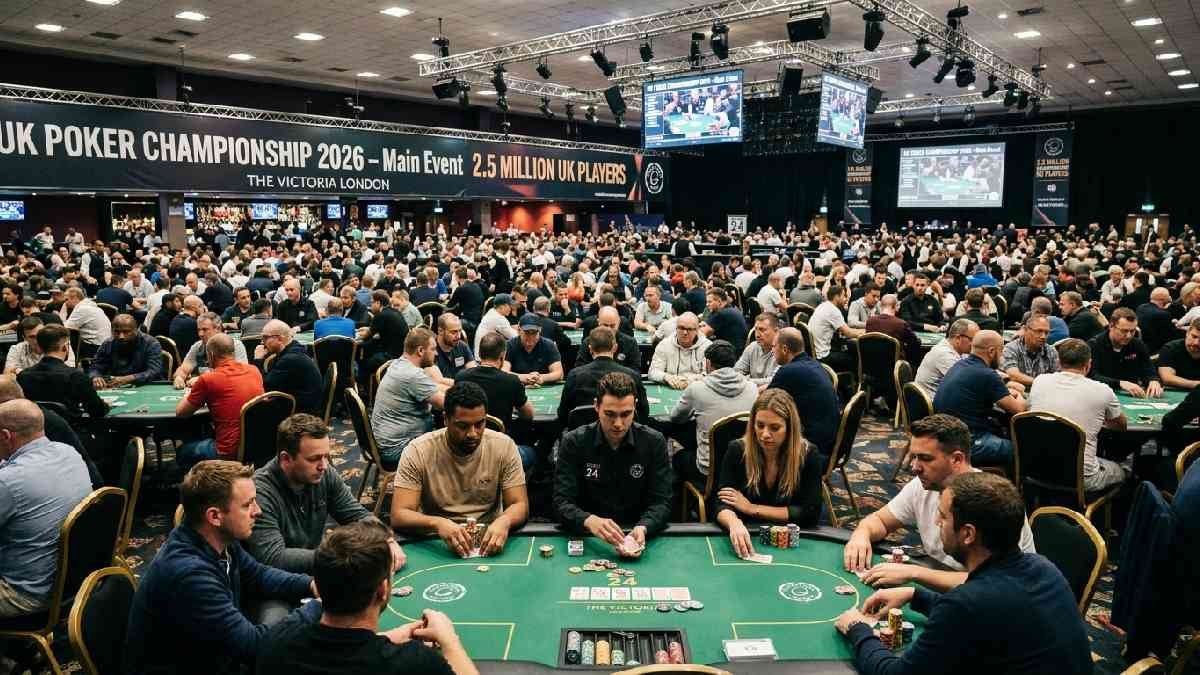
Poker’s journey in the UK has shifted considerably over the past two decades, moving from a niche pastime into a mainstream activity. Televised tournaments, accessible online platforms and changing social attitudes have all contributed to its rise. UK online poker participation climbed steadily, from around five per cent of adults in 2021 to roughly ten per cent by 2024.
Younger and older players alike are discovering the appeal of strategic card games, helping poker shed its underground reputation. As awareness spreads further, the game continues to solidify its place as a respected, widely practised British hobby.
The Evolution of Poker Among UK Players
Poker’s journey in the UK has transformed considerably, moving from smoky backroom games into a mainstream, widely respected activity. Televised tournaments and accessible online platforms have played a major role in this shift, exposing the game to broader audiences. UK online poker participation rose steadily, climbing from around five per cent of adults in 2021 to roughly ten per cent by 2024.
This growth reflects changing attitudes toward gambling and entertainment, with players of all ages discovering poker’s appeal. As awareness continues spreading, the game moves further from its underground roots into mainstream acceptance.
The Impact of Online and Live Poker Platforms
Online poker rooms have transformed how British players engage with the game, allowing people to play from home at any hour. This accessibility removes barriers that once limited participation to casinos or private clubs. Platforms such as PokerStars, Sky Poker and 888 Poker attract loyal followings thanks to reliable software and frequent promotions.
Meanwhile, live poker venues and televised tournaments preserve the game’s traditional charm, offering face-to-face competition and atmosphere online play cannot fully replicate. Together, these platforms form a layered ecosystem that caters effectively to every type of player, casual or competitive.
Factors Driving Continued Interest in Poker
Several elements continue fuelling poker’s popularity across the UK. Mobile technology has made the game more accessible, letting players join tables from virtually anywhere at any time. Promotional offers, loyalty schemes and varied formats keep both new and experienced players engaged over time.
The game’s portrayal in film and television, along with high-profile tournaments, sustains public curiosity. Poker’s reputation as a skill-based pursuit rather than pure chance also appeals to those seeking intellectual challenge. These combined factors ensure poker remains firmly embedded within the UK’s broader gaming and leisure culture.
Poker as a Social Experience

At its core, poker is a social activity that brings people together around a shared challenge, whether in a living room or a casino. Shared wins, narrow losses and unexpected bluffs create memorable moments that strengthen bonds between friends and strangers alike. This social dimension often draws people to poker initially, even before they develop a deeper interest in strategy.
Tournaments and organised events further foster community among UK players, giving enthusiasts opportunities to connect. Friendly competition keeps the atmosphere lively, making poker feel distinctly social compared with many solitary or purely digital pastimes.
Building Connections Through Shared Gameplay
Poker is fundamentally a social activity that brings people together around a shared, engaging challenge. Whether played in a living room or at a casino table, the game encourages conversation, banter and camaraderie among participants. Shared wins, narrow losses and unexpected bluffs create memorable moments that strengthen bonds between friends and even strangers.
This social dimension is often what initially draws people to poker, even before they develop a deeper interest in strategy. The communal nature of the game transforms it into more than entertainment, making it a genuine vehicle for lasting relationships.
The Community Aspect of Poker Events and Tournaments
Poker tournaments and organised events foster a strong sense of community among UK players. Regular meetups, charity tournaments and regional competitions give enthusiasts chances to connect beyond casual home games. These gatherings often attract a mix of beginners and seasoned players, creating an environment where knowledge and experience are freely exchanged.
The shared excitement of tournament play, combined with anticipation of big moments, helps cultivate loyalty to particular venues or online communities. Over time, many players form lasting friendships through repeated participation in these structured, community-driven poker events.
How Friendly Competition Enhances Social Interaction
Friendly competition lies at the heart of poker’s social appeal, encouraging players to engage actively rather than passively observe. The back-and-forth of betting, calling and folding naturally invites conversation, humour and good-natured rivalry. This dynamic keeps the atmosphere lively, even among players who barely know one another at the start of a session.
Because outcomes shift quickly and unpredictably, every hand offers fresh opportunities for interaction. This blend of competitiveness and camaraderie is part of what makes poker feel distinctly social compared with many other forms of entertainment.
The Entertainment Value of Poker

Poker’s entertainment value stems largely from its unpredictability, where even the strongest hand can lose to a well-timed bluff. This uncertainty keeps players and spectators engaged from the first card to the last. Variety also plays a role, with formats like Texas Hold’em, Omaha and fast-fold games offering different paces and challenges.
Tournament play suits long-term strategic battles, while cash games appeal to those wanting shorter sessions. This combination of unpredictability and variety ensures that poker appeals across different age groups and skill levels, keeping the overall experience fresh and consistently engaging for everyone.
The Excitement of Unpredictable Outcomes
Poker’s entertainment value stems largely from its unpredictability, where even the strongest hand can lose to a well-timed bluff. This uncertainty keeps players and spectators engaged from the first card to the last, since no two hands ever play out identically.
The tension of waiting for a crucial card, paired with the psychological battle between opponents, generates genuine excitement that few other games can replicate. This blend of chance and skill ensures poker never feels repetitive, giving every session its own unique narrative and emotional highs that keep players coming back.
Variety of Poker Formats and Playing Styles
Poker’s appeal is reinforced by the sheer variety of formats available to UK players. Texas Hold’em remains the most popular choice, but games such as Omaha, Seven-Card Stud and fast-fold variants offer different paces and challenges. Tournament play suits those seeking long-term strategic battles, while cash games appeal to players wanting flexible, shorter sessions.
This diversity allows individuals to choose formats matching their personality, whether they prefer cautious, methodical play or rapid, high-energy action. Such variety keeps the overall poker experience fresh and consistently engaging for every type of player.
Why Poker Appeals to Different Age Groups and Skill Levels
Poker’s broad accessibility means it appeals across a wide spectrum of ages and experience levels. Younger players are drawn to its competitive, fast-moving nature and digital accessibility, while older players often appreciate its strategic depth and social traditions.
Beginners can start with low-stakes games to learn the basics, while experienced players continually refine strategies against tougher competition. This flexibility ensures poker never feels exclusive to one demographic, offering a welcoming entry point for newcomers alongside enough complexity to satisfy seasoned veterans, making it a genuinely inclusive form of entertainment.
Strategic Thinking at the Heart of Poker

Poker constantly challenges players to make quick, informed decisions under pressure, sharpening broader decision-making abilities over time. Every betting round forces players to weigh outcomes against limited information, similar to real-life situations requiring careful judgement. A strong grasp of probability separates successful players from casual participants, as understanding pot odds and risk becomes essential.
Reading opponents through betting patterns and body language adds another psychological layer. Patience and discipline tie everything together, preventing impulsive decisions and helping players manage emotions, ultimately strengthening mental resilience both at the table and beyond.
Developing Decision-Making Skills
Poker constantly challenges players to make quick, informed decisions under pressure, which sharpens broader decision-making abilities over time. Every betting round forces players to weigh potential outcomes against limited information, mimicking real-life situations that require careful judgement.
Repeated exposure to these scenarios helps players become more comfortable with uncertainty and more decisive when facing difficult choices. This skill extends beyond the table, as many players report improved confidence in evaluating risk in everyday situations. Poker, in this sense, functions as practical training for sharper, more deliberate thinking overall.
Understanding Risk, Probability and Game Dynamics
A strong grasp of probability and risk management separates successful poker players from casual participants. Understanding pot odds, calculating the likelihood of certain hands, and recognising when a gamble is worthwhile all require genuine mathematical reasoning. Players must constantly weigh potential rewards against possible losses, adjusting strategy as the game evolves.
This emphasis on probability transforms poker into an intellectually engaging exercise rather than a simple guessing game. Over time, players develop sharper intuition for risk assessment, a skill valuable both within poker and in broader decision-making contexts.
Reading Opponents and Adapting Strategies
Successful poker players must learn to read opponents, picking up on subtle cues such as betting patterns, timing and body language. This skill requires close attention and the ability to adapt strategies in real time as new information emerges. A player who relies on a single fixed approach will struggle against opponents who adjust to their habits.
Instead, the best players remain flexible, shifting tactics based on table dynamics and individual opponents. This constant process of observation and adaptation makes poker a deeply psychological game, rewarding sharp thinkers.
The Importance of Patience, Discipline and Focus
Patience and discipline are essential traits for any serious poker player, as impulsive decisions often lead to costly mistakes. Waiting for the right moment to act, rather than chasing every hand, requires considerable self-control and focus. Skilled players understand that consistent, calculated play tends to outperform reckless aggression over the long term.
This disciplined mindset also helps players manage emotions during losing streaks, preventing frustration from clouding judgement. By cultivating patience and focus, players strengthen mental resilience that benefits them both at the table and beyond.
How Social Interaction, Entertainment and Strategy Work Together

Poker’s lasting appeal comes from how seamlessly it combines social connection, entertainment and strategic challenge into one experience. Few games manage to deliver meaningful conversation, genuine excitement and intellectual stimulation simultaneously. Many players return repeatedly because the game consistently offers fresh challenges alongside familiar social rewards, evolving with every new opponent and hand.
Poker also occupies a distinctive space within UK gaming culture, sitting between casual entertainment and serious strategic pursuit. Unlike purely chance-based games, it rewards skill development while remaining accessible, ensuring it retains a uniquely loyal and diverse following across Britain.
Creating a Well-Rounded Gaming Experience
Poker’s lasting appeal comes from how seamlessly it combines social connection, entertainment and strategic challenge into a single experience. Few games manage to deliver meaningful conversation, genuine excitement and intellectual stimulation simultaneously. This balance ensures players never feel they are sacrificing one element for another, whether they seek relaxed social fun or competitive mental challenge.
The interplay between these elements keeps sessions dynamic, since the social atmosphere enhances enjoyment while strategic depth maintains long-term interest. This well-rounded structure explains poker’s broad appeal among diverse UK players.
Why Players Continue to Return to Poker
Many players return to poker repeatedly because it consistently offers fresh challenges alongside familiar social rewards. Unlike games that become predictable over time, poker evolves with every new opponent, hand and table dynamic, keeping the experience engaging session after session.
The combination of mental stimulation and genuine camaraderie creates a satisfying balance that other forms of entertainment struggle to match. Additionally, the gradual improvement players experience as they refine their skills provides a sense of personal achievement. This ongoing progress and connection encourage long-term loyalty to the game.
The Unique Position of Poker Within UK Gaming Culture
Poker occupies a distinctive space within the UK’s broader gaming culture, sitting between casual entertainment and serious strategic pursuit. Unlike purely chance-based casino games, poker rewards skill development and long-term learning, giving it a more respected reputation among enthusiasts.
At the same time, its social nature keeps it accessible and enjoyable for casual players who simply want a fun night out. This dual identity allows poker to coexist alongside other gaming trends while maintaining its own loyal following, ensuring it stays uniquely valued within British leisure culture.
Benefits of Playing Poker in the UK

Regular poker play sharpens critical thinking by requiring players to analyse situations quickly and weigh multiple variables before acting. This constant mental engagement strengthens analytical skills that extend well beyond the game itself, improving everyday decision-making. Poker also encourages social engagement, providing a natural setting for conversation and relationship-building that many solitary pastimes lack.
Beyond mental and social benefits, the game offers enjoyable, flexible entertainment, suiting both quick casual sessions and lengthy strategic battles. Together, these advantages make poker a uniquely rewarding activity that benefits the mind, social life and leisure time of UK players.
Enhancing Critical Thinking Skills
Regular poker play sharpens critical thinking by requiring players to analyse situations quickly and weigh multiple variables before acting. Each decision involves assessing probabilities, opponent behaviour and potential outcomes, all within a limited time. This constant mental engagement strengthens analytical skills that extend well beyond the game itself.
Players often find that this heightened awareness improves their ability to evaluate problems methodically in other areas of life, from workplace decisions to personal finances. Poker’s structured yet unpredictable nature makes it an effective way to keep the mind active.
Encouraging Social Engagement
Poker provides a natural setting for social engagement, encouraging players to interact, communicate and build relationships during gameplay. Whether through casual home games or organised tournaments, the shared experience fosters conversation and connection that many other solitary pastimes lack.
This social benefit is particularly valuable in an increasingly digital world, where face-to-face interaction can sometimes feel limited. Poker offers a structured yet relaxed environment where people of different backgrounds can come together around a common interest, strengthening community ties while enjoying genuine shared enjoyment.
Providing Enjoyable and Flexible Entertainment
One of poker’s greatest strengths is its flexibility as a form of entertainment, suiting both quick casual sessions and lengthy strategic battles. Players can choose formats and stakes that match their available time and interest level, making the game adaptable to different lifestyles.
This flexibility, combined with constant variety in outcomes, ensures poker rarely feels stale or repetitive. Whether enjoyed online or in person, the game consistently delivers an entertaining experience tailored to individual preferences, making it an enduring leisure activity across the UK.
Frequently Asked Questions (FAQs)
Why is poker popular in the UK?
Poker is popular because it combines strategy, social interaction and entertainment, appealing to a wide range of players seeking fun and challenge.
How does poker encourage social interaction?
Poker brings people together through shared gameplay, friendly competition and conversation, making it a naturally social activity for groups.
Is poker mainly a game of skill or luck?
Poker blends skill and luck, but long-term success depends heavily on strategy, probability and decision-making rather than chance alone.
What strategic skills can players develop through poker?
Players develop decision-making, risk assessment, patience and the ability to read opponents, all valuable skills beyond the table.
Can beginners enjoy poker in the UK?
Yes, beginners can enjoy poker through low-stakes games and online platforms designed to help new players learn gradually.
What makes poker different from other card games?
Poker stands out due to its emphasis on strategy, psychology and betting decisions, rather than relying solely on dealt cards.
Conclusion
Poker’s enduring popularity in the UK comes from its rare ability to combine social connection, genuine entertainment and meaningful strategic challenge within a single game. It draws people together for conversation and camaraderie, while also rewarding patience, probability and sharp decision-making skills.
With millions of active players and a thriving mix of online and live platforms, the game continues to evolve while retaining its core appeal. Whether played casually among friends or competitively in tournaments, poker offers something for nearly every type of player. This unique blend of qualities ensures poker remains a deeply valued part of UK gaming culture.