

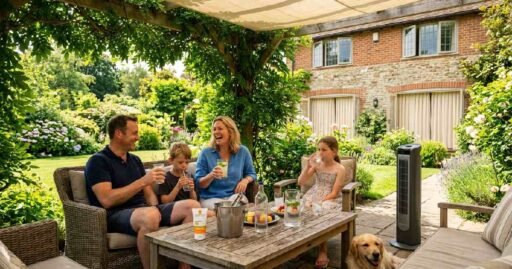


Your UK Summer Survival Guide
Your UK Summer Survival Guide exists because British summers have changed noticeably over the past decade. Heatwaves and periods of extreme heat in the UK are becoming more common, affecting many areas of daily life, from health to everyday activities. Many of us look forward to sunshine after long, grey winters, yet when it gets too hot, there are real health risks, and during heatwaves, more people than usual become seriously ill.
The UK’s housing stock, built for cold weather rather than heat, often struggles to cope when temperatures climb above what’s typical for the season. This guide walks through practical ways to stay cool at home, protect your health outdoors, and recognise warning signs early before they become genuine emergencies. From hydration habits to bedroom temperature tricks, every section focuses on simple, realistic steps anyone can follow during a UK heatwave this summer, regardless of budget or living situation.
Preparing Your Home Before the Heat Arrives
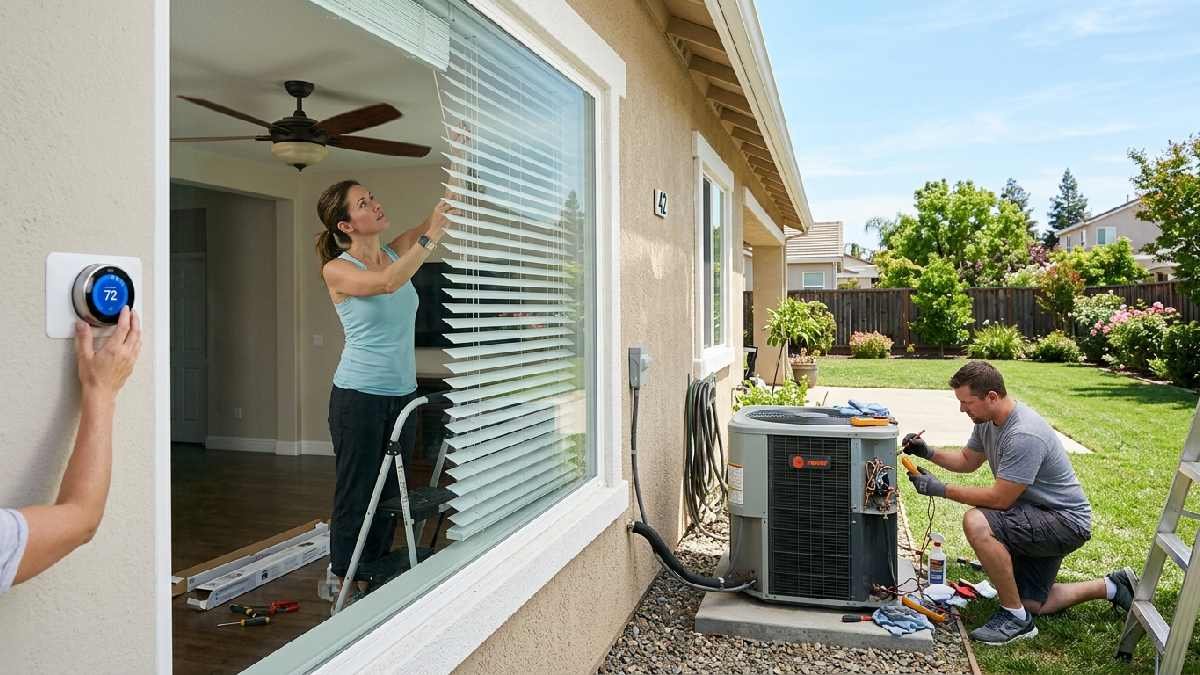
Your UK Summer Survival Guide starts indoors, since most heat exposure happens at home rather than outside during a typical day. Keeping your home cool means closing windows and curtains in rooms that face the sun, especially during peak afternoon hours when solar gain is strongest. We’re usually given a few days’ warning before a heatwave arrives, so there’s time to prepare properly, meaning early action makes a genuine difference once temperatures actually climb. Many British homes lack air conditioning entirely, which makes proactive preparation far more important than it would be in countries built around managing heat.
Ventilating wisely matters too, opening windows early morning and after sunset when outside temperatures drop helps cool a stuffy home naturally. Combining shaded rooms with smart ventilation timing keeps indoor spaces noticeably more bearable throughout a heatwave, even without expensive cooling equipment. Thinking about your home as a thermal battery helps explain why timing matters so much. Once walls and furniture absorb daytime heat, that warmth radiates back into the room for hours afterwards.
Blocking Sunlight During Peak Hours
Staying safe in hot weather means staying in the shade between 11 am and 3 pm when UV levels are highest. Closing curtains in south-facing rooms during this window prevents heat buildup before it even starts properly. Direct sunlight can raise perceived temperature by 8 to 10 degrees compared to sitting in shade.
This single habit often makes the biggest difference indoors. Combine it with light-coloured curtains for better results. Reflective fabrics block more heat than dark ones. Blackout curtains work particularly well for west- and south-facing windows. Small changes like this add up significantly across a long hot day.
Timing Ventilation for Maximum Cooling
Opening windows during the hottest part of the day lets warm air in rather than out, which actually makes things worse. The better approach involves keeping windows shut through the afternoon, then opening them once the evening genuinely cools down outside. This timing trick keeps homes noticeably cooler overnight without extra equipment required.
Most people get this backwards instinctively, assuming fresh air always helps. Understanding airflow direction matters more than people think during sustained heat. Cross-ventilation between opposite-facing windows speeds up cooling considerably once temperatures drop in the evening.
Staying Hydrated and Healthy Through Hot Weather
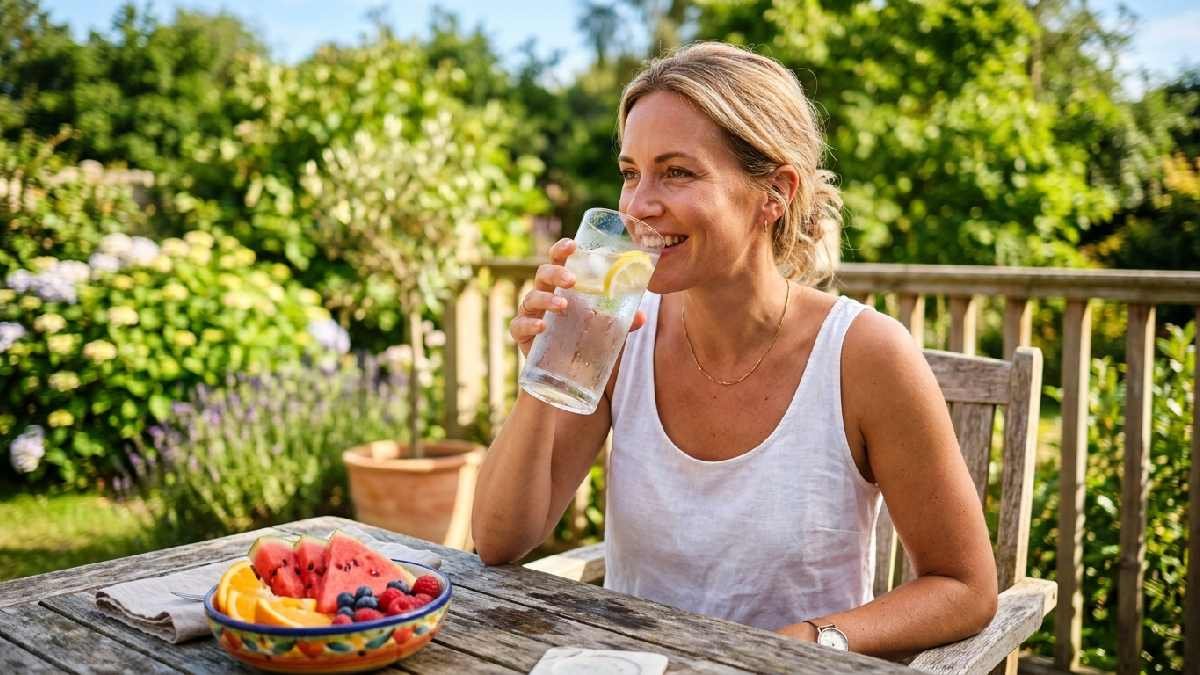
Your UK Summer Survival Guide places hydration at the centre of staying healthy during any prolonged hot spell. You’ll need more water than usual during heatwave temperatures, and it helps to stick to cold foods and drinks while avoiding alcohol. Dehydration sneaks up quickly, especially when people underestimate fluid loss during ordinary daily activities like walking, working, or even sitting in a warm office.
Aiming for two to three litres of water per day, even when you don’t feel thirsty, helps maintain proper hydration levels. Alcohol causes dehydration, which hits especially hard when your body is already struggling to stay cool in summer, making moderation genuinely worthwhile during heatwave conditions. Carrying a refillable water bottle throughout the day serves as a useful visual reminder to keep drinking consistently rather than waiting until thirst sets in.
Choosing the Right Foods for Hot Days
Sticking to light, well-balanced, regular meals works better than heavy food during hot weather. Foods with high water content like strawberries, cucumber, and celery help keep you hydrated and cool naturally. Soups with high fluid content also contribute meaningfully toward daily hydration goals without feeling heavy on hot afternoons.
Avoid greasy, salty meals when possible. They increase thirst and discomfort significantly throughout the day. Small dietary shifts make hot days noticeably more bearable overall, and they’re easy to maintain without major lifestyle changes.
Recognising Heat Exhaustion Early
Knowing the symptoms of heat exhaustion and heatstroke, and what to do if someone shows them, can genuinely save lives. Early signs include excessive sweating, dizziness, and headaches appearing suddenly without obvious cause. Acting quickly by cooling down and rehydrating usually prevents symptoms from escalating into something more serious requiring hospital treatment.
Confusion or fainting signals a medical emergency immediately and should never be ignored. Call NHS 111 or 999 promptly if symptoms worsen. Quick action genuinely makes the biggest difference here, often within the first thirty minutes.
Sleeping Comfortably During a Heatwave
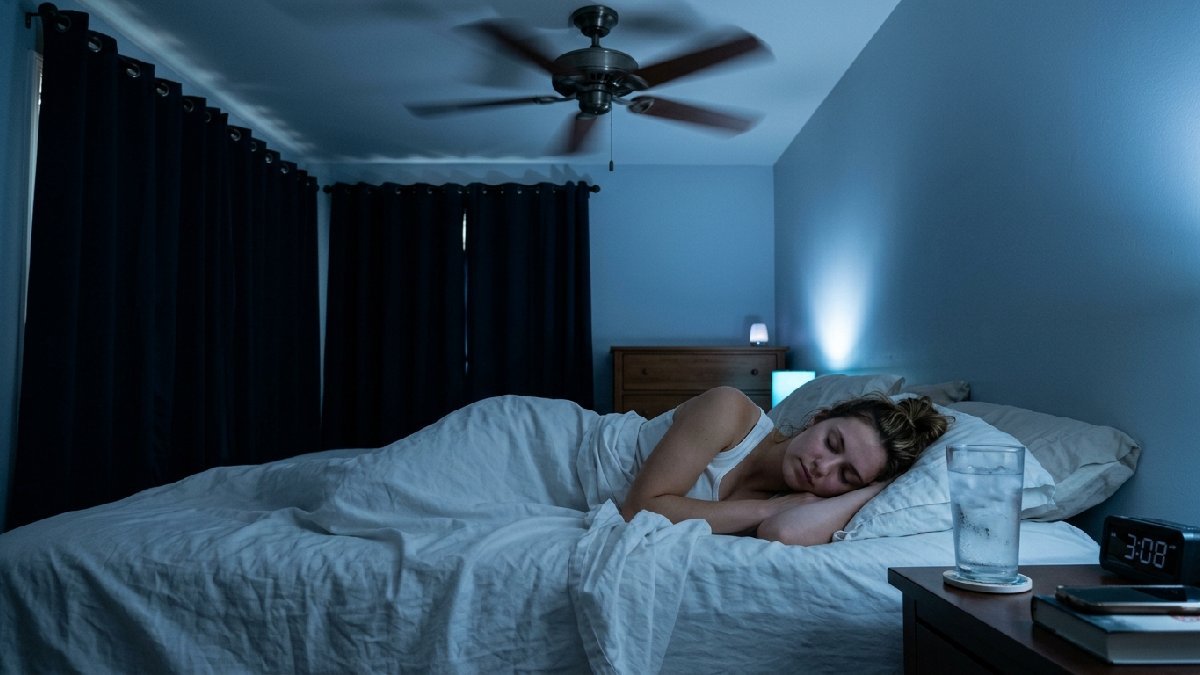
Your UK Summer Survival Guide wouldn’t be complete without addressing nighttime heat, often the hardest part of any heatwave for most people. Staying cool isn’t one thing you fix once; it’s a series of small battles across the day, each with its own complicated moments. Bedrooms absorb heat throughout the day, making evenings particularly uncomfortable without preparation, especially in upstairs rooms that trap warm air.
Sleeping with cotton sheets or placing your pillowcase in the freezer before bedtime can provide an extra chill that genuinely helps. Running a tower fan on sleep mode dials the noise right down, making it the ideal setting for sustained nighttime use. Many people also benefit from showering with lukewarm rather than cold water before bed, since extremely cold water can trigger the body to generate more heat afterwards as it tries to warm back up.
Using Fans Strategically at Night
Using fans efficiently by placing a bowl of ice in front can create noticeably cooler airflow throughout the room. If the room is hotter than outside, pointing the fan outward pushes warm air out while drawing cooler air in from another window. Switching this once temperatures equalise improves comfort considerably throughout the night. Position matters as much as setting.
Experiment with placement for best results across different rooms. This small trick genuinely transforms uncomfortable, sweaty nights into something far more manageable.
Creating a Cooler Sleep Environment
Natural mode on a tower fan mimics the variation of a real breeze, cycling between speeds in a rhythm that feels less mechanical. Combining this with light cotton bedding and a slightly open window after 10 pm creates noticeably better sleeping conditions overall.
Small adjustments like these add up considerably across consecutive warm nights during a sustained heatwave. Avoid heavy duvets during summer entirely, swapping to lighter alternatives. Breathable fabrics genuinely improve sleep quality significantly, helping the body regulate temperature more naturally through the night.
Protecting Vulnerable Groups During Extreme Heat
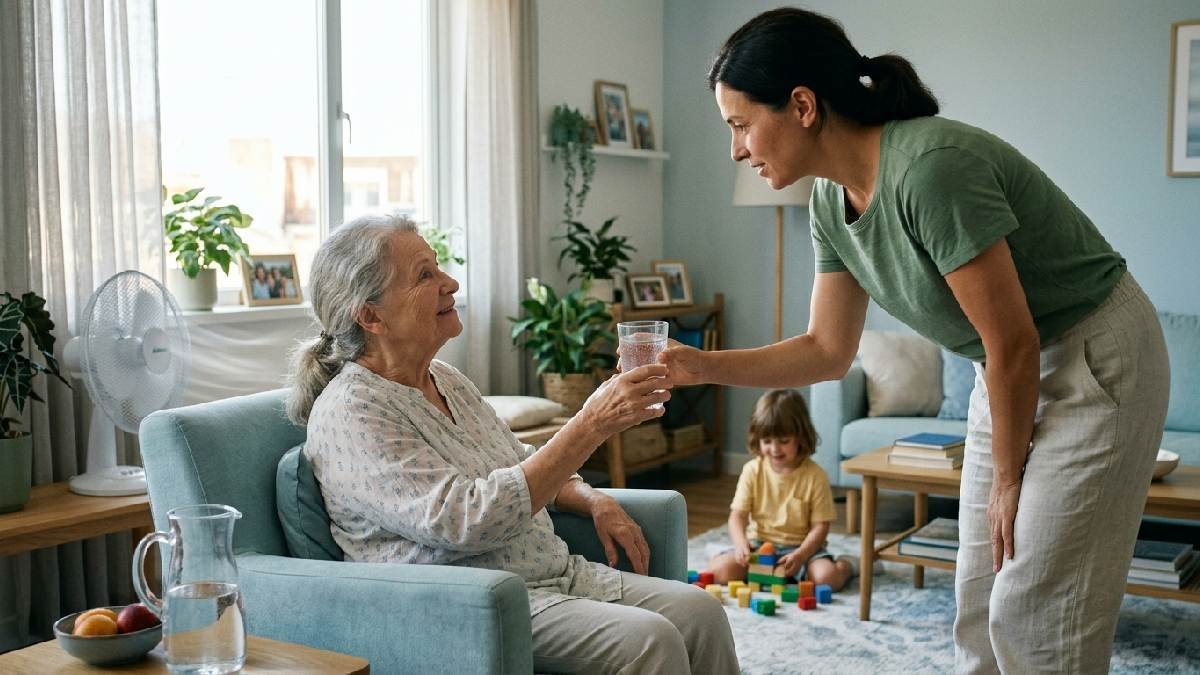
Your UK Summer Survival Guide also focuses on those most at risk during extreme heat events, since heatwaves don’t affect everyone equally. People at higher risk include older people aged 65 and over, alongside those with underlying health conditions like heart or breathing problems. People who live alone and may be unable to care for themselves also face elevated risk during prolonged heat, often because nobody notices when they’re struggling.
Checking on family, friends, and neighbours who may be at higher risk and asking them to do the same for you genuinely helps everyone stay safer. Children and babies are also more vulnerable, requiring extra attention during heatwave temperatures, since their bodies regulate temperature less efficiently than adults’.
Caring for Babies and Young Children
Keeping children covered in light, loose clothing and a wide-brimmed hat helps prevent overheating during hot weather. Avoiding direct sunlight and reapplying sunblock regularly reduces sunburn risk significantly throughout the day. Limiting outdoor play during peak hours keeps younger children noticeably safer and more comfortable overall throughout summer.
Offer water frequently, even without complaints of thirst from the child themselves. Watch closely for unusual tiredness or irritability during hot afternoons. These signals often appear before visible distress does, giving parents valuable early warning.
Supporting Elderly and At-Risk Neighbours
Regular check-ins matter more than people realise during extended heatwaves across local communities. People on multiple medicines, or medicines that may increase heat sensitivity, often need closer monitoring during hot spells. A simple phone call or visit can catch early warning signs before they become genuinely dangerous medical emergencies requiring hospitalisation.
Encourage them to stay hydrated consistently throughout each day. Offer help with shopping or errands during the hottest hours. Small gestures genuinely matter during prolonged heatwave periods, and they cost very little time or effort.
Staying Safe While Enjoying Outdoor Activities

Your UK Summer Survival Guide also covers outdoor safety, since many people understandably want to enjoy good weather rather than hide from it. If you’re going to do physical activity, planning these during cooler parts of the day, such as early morning or evening, helps avoid the worst heat. This applies equally to exercise, gardening, and even longer walks with pets during summer afternoons.
Outdoor activities like swimming in open water can be dangerous in hot weather, even though water naturally feels appealing during a heatwave. Cold water shock remains a genuine risk, since open water can be much colder than it looks from the surface. Taking sensible precautions doesn’t mean avoiding outdoor fun entirely; it simply means being thoughtful about timing and location.
Safe Swimming During Hot Weather
Wearing a buoyancy aid or life jacket during water activities like boating or fishing significantly reduces the risk near open water. Getting out of the water as soon as you start feeling cold prevents dangerous cold water shock from setting in.
UV exposure also intensifies near water due to surface reflection, so reapplying sunscreen regularly matters even more than usual. Choosing supervised locations like lidos or beaches with lifeguards adds an extra layer of safety for families.
Driving and Travelling Safely in Summer
Vehicles can be affected by high temperatures during long periods of hot weather, making basic checks worthwhile before any journey. Checking tyres, fluid levels, battery, and air conditioning helps prevent breakdowns during hot summer travel.
Carrying water in the car provides a useful safety net in case of unexpected delays or breakdowns. Avoiding peak traffic hours during extreme heat also reduces the risk of becoming stuck in a hot, stationary vehicle for extended periods.
FAQ
How much water should I drink during a UK heatwave?
Aim for two to three litres daily, even without thirst.
When is UV exposure most dangerous in the UK?
Between 11 am and 3 pm, when UV levels peak highest.
Should I open windows during a heatwave?
Only after sunset, once outside temperatures actually drop.
Who is most at risk during UK heatwaves?
Elderly people, babies, and those with health conditions.
What should I do if someone shows heat exhaustion signs?
Cool them down, hydrate them, and seek medical advice.
Conclusion
Your UK Summer Survival Guide ultimately comes down to small, consistent habits rather than dramatic lifestyle changes. Staying hydrated, timing ventilation correctly, and protecting vulnerable family members all contribute toward a genuinely safer summer experience for everyone involved. The UK isn’t always the best equipped for dealing with short, intense heatwaves, which makes preparation especially valuable.
Whether you’re managing a stuffy bedroom, planning a safe swim, or checking on elderly neighbours, these practical steps make British summers far more enjoyable rather than something to simply endure. With a little planning and awareness, hot weather becomes something genuinely worth embracing, season after season, regardless of how unpredictable British weather continues to be.